

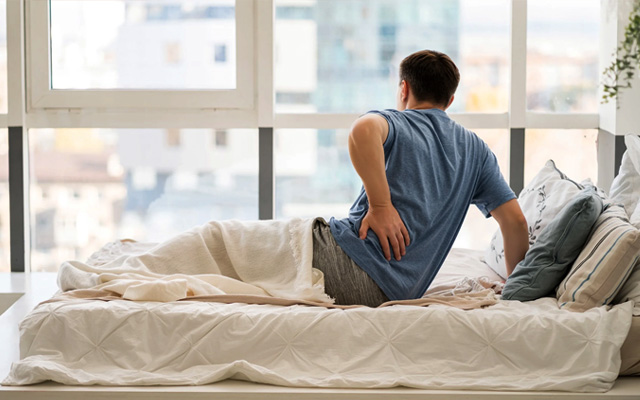
Waking up with persistent lower back or leg pain could be a sign that your mattress is to blame. A traditional mattress may be worsening your sciatica without you even realising it.
Let’s dive into how the wrong mattress affects your condition and what changes you can make to improve your sleep and manage sciatica more effectively.
What is Sciatica?

Sciatica is pain that radiates along the sciatic nerve, which runs from the lower back down to the legs. The pain can range from mild discomfort to sharp, debilitating pain. It is often caused by pressure on the nerve from conditions like a herniated disc or spinal stenosis.
In some cases, poor posture or sleeping positions can intensify the pain. If you’re suffering from sciatica, you may not realise that your mattress could be a contributing factor.
Why Does Sciatica Pain Get Worse at Night?
Many people with sciatica notice their symptoms flare up specifically when lying down or trying to sleep, even if the pain felt manageable during the day. This happens for a few reasons.
Lying flat changes the pressure distribution along your spine and can compress the sciatic nerve differently than sitting or standing does. Staying still for long stretches also allows inflammation to settle around the nerve, rather than being relieved by movement. And without the distraction of daily activity, pain signals that were easy to ignore during the day often feel sharper at night.
This is why mattress support matters so much for people with sciatica — the surface you lie on for 7-8 hours has a direct effect on how much pressure stays on the nerve through the night.
How Does a Traditional Mattress Affect Sciatica?
A traditional mattress, typically made from springs or low-density foam, may not provide adequate support for your spine. Over time, this lack of support can lead to poor sleep posture, which can strain the back and worsen sciatica pain. A mattress that does not align with your body’s natural curves can cause your spine to bend unnaturally, putting additional pressure on the sciatic nerve.
Lack of Proper Spinal Alignment
Proper spinal alignment is essential for preventing or managing sciatica. If your mattress is too soft or too firm, it may not support the natural curvature of your spine. This misalignment can increase pressure on the sciatic nerve, causing more pain.
A mattress that is too firm can create pressure points, especially in the hips and lower back. On the other hand, a mattress that is too soft can lead to excessive sinking, preventing the spine from maintaining a neutral position.
Sleeping Position and Mattress Type
Your sleeping position also plays a key role in managing sciatica. If you sleep on your back or side, a traditional mattress may cause your spine to curve improperly, putting pressure on the sciatic nerve.
If your mattress does not provide proper support for your hips and shoulders, you may wake up with lower back pain or stiffness. A mattress that supports your body weight evenly will help prevent these issues.
Increased Inflammation
Traditional mattresses can lead to restless nights, tossing and turning in search of comfort. This lack of rest can increase inflammation in the body, thereby worsening sciatica symptoms. When you do not get enough restorative sleep, your body’s healing processes slow down, and the muscles around the sciatic nerve remain tense and inflamed.
Can Sleeping on a Traditional Mattress Worsen Sciatica?
Yes, sleeping on a traditional mattress can significantly worsen sciatica symptoms. If your mattress isn’t providing enough support, you may inadvertently place pressure on the sciatic nerve, which can intensify pain and discomfort. Additionally, sleeping on a poor-quality mattress can lead to poor posture, which disrupts spine alignment and exacerbates sciatica.
What Type of Mattress is Best for Sciatica?
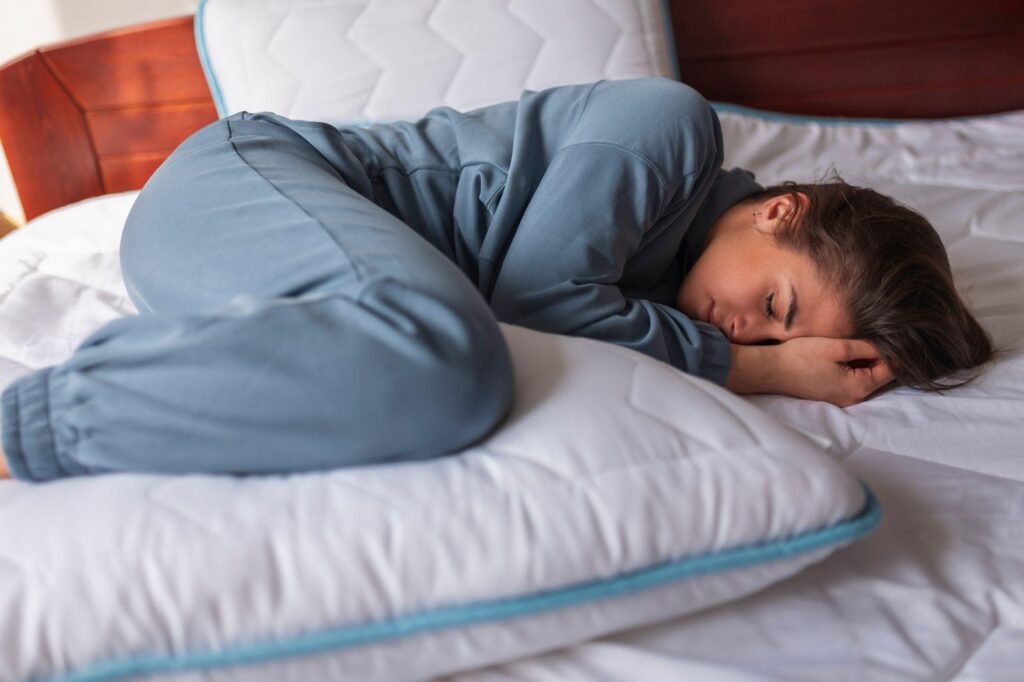
Before choosing a new mattress, it's worth checking whether your current one is actually the problem. Then here's what to look for in a replacement:
Signs Your Mattress Is Contributing to Your Pain
Before deciding on a replacement, it helps to know whether your current mattress is actually part of the problem. Common warning signs include:
- Visible sagging or a dip in the middle of the mattress
- Waking up with pain that improves within an hour of getting up and moving
- The mattress is more than 7-8 years old
- You sleep better in a different bed (hotel, sofa, guest room) than your own
- Springs or pressure points are noticeably felt through the surface
If several of these apply to you, your mattress is a reasonable place to start addressing your sciatica symptoms.
Medium-Firm Mattress
A medium-firm mattress is often recommended for people with sciatica. It provides enough support for the spine while offering comfort for the hips and shoulders.
Memory Foam or Hybrid Mattresses
Memory foam mattresses contour to your body, providing better support for the spine and alleviating pressure on the sciatic nerve. Hybrid mattresses combine the support of coils with the comfort of memory foam, offering the best of both worlds.
Adjustable Mattresses
Adjustable mattresses let you adjust the bed's position to find the most comfortable alignment for your spine. Elevating the head or legs can help relieve pressure on the sciatic nerve.
Proper Firmness for Sleep Position
If you sleep on your back, look for a mattress that supports the lower back and maintains spinal alignment. If you sleep on your side, you will need a mattress with enough cushioning to avoid pressure points on your hips and shoulders.
Can't Replace Your Mattress? Try a Topper First
If a full mattress isn't an option right now, a medium-firm memory foam or latex topper can be a useful interim step. A good topper can improve spinal alignment and reduce pressure points without the cost of a new mattress, though it won't fully fix a mattress that has sagged or lost structural support.
How to Sleep to Relieve Sciatica Pain
In addition to choosing the right mattress, your sleep position can significantly affect how you manage sciatica pain. Here are some tips for sleeping with sciatica:
- Sleep on Your Back
If you sleep on your back, place a pillow under your knees to relieve pressure on your lower back and sciatic nerve. This helps maintain the natural curve of your spine.
- Sleep on Your Side
If you sleep on your side, place a pillow between your knees to align your hips and spine. This can help reduce pressure on the sciatic nerve.
- Avoid Sleeping on Your Stomach
Sleeping on your stomach can strain your lower back and worsen sciatica symptoms. If possible, avoid this position or try to switch to one that supports spinal alignment.
- Use a Supportive Pillow
Use a pillow that supports your neck and head properly. An unsupportive pillow can cause misalignment of the spine and contribute to neck and back pain.
Other Tips for Managing Sciatica While Sleeping
- Exercise Regularly
Regular exercise can help strengthen the muscles around the spine, improving posture and reducing the risk of sciatica.
- Stretch Before Bed
Gentle stretches before bed can help relieve tension in the muscles surrounding the sciatic nerve and promote better sleep.
- Use Heat or Ice
Applying heat or ice to the lower back before bed can reduce inflammation and alleviate pain.
When to Seek Sciatica Treatment
If you have been experiencing persistent sciatica pain, it’s essential to seek professional treatment. Consultation with Dr Purnajyoti Banerjee can help determine the cause of your sciatica and provide effective treatment options. Depending on the cause and severity of your sciatica, treatment may include physical therapy, a spinal nerve root block injection, a caudal epidural injection, or radiofrequency ablation for longer-lasting relief. In more persistent or severe cases, options such as a discectomy may be considered. Addressing the underlying cause of your sciatica, rather than just the symptoms, is crucial for long-term relief.
When Sciatica Pain Is a Medical Emergency
While most sciatica can be managed with the steps above, certain symptoms need urgent medical attention rather than home care. Seek emergency treatment immediately if you experience:
- Loss of bladder or bowel control
- Numbness around the groin or inner thighs (saddle area)
- Sudden, severe weakness in one or both legs
- Pain that worsens rapidly despite rest and pain relief
These can be signs of cauda equina syndrome, a rare but serious condition that requires immediate medical care to prevent permanent nerve damage.
Take action today
Sleeping on a traditional mattress that does not provide adequate support can worsen sciatica symptoms. Choosing the right mattress, maintaining proper sleep posture, and seeking professional sciatica treatment are key steps in managing sciatica effectively. By making the right changes to your sleep environment and consulting an expert like Dr Purnajyoti Banerjee, you can find relief from pain and enjoy better-quality sleep.
Do Not Let Sciatica Control Your Life – Seek Relief Now
If you’re struggling with sciatica, contact Dr. Purnajyoti Banerjee for expert sciatica treatment in London at this email address: purnajyoti74@gmail.com.
People Also Ask
- Can sleeping on the wrong mattress cause sciatica?
Yes, a mattress that doesn’t support the spine properly can worsen sciatica.
- What is the best mattress firmness for sciatica?
A medium-firm mattress provides the right balance of support and comfort.
- How can you relieve sciatica pain while sleeping?
Use pillows to align your spine and choose a supportive mattress for sciatica relief.
- Should you see a doctor if your sciatica pain persists?
Yes, consulting a specialist in sciatica treatment is important if pain persists.
- Can physical therapy help with sciatica?
Yes, physical therapy can strengthen muscles and improve posture, providing long-term relief for sciatica.