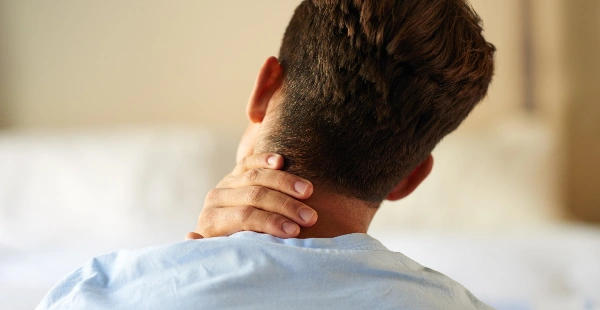
Lumbar Spine Disc Surgery in London
Home / Services / Treatments / Spinal Disc Surgery
When a herniated disc causes severe nerve pain that radiates down your leg or arm, spine disc surgery in London can provide rapid relief by removing the portion of disc material pressing on the nerve.
Dr Purnajyoti Banerjee specialises in surgical removal of disc material pressing on a spinal nerve using modern minimally invasive techniques that promote faster recovery.
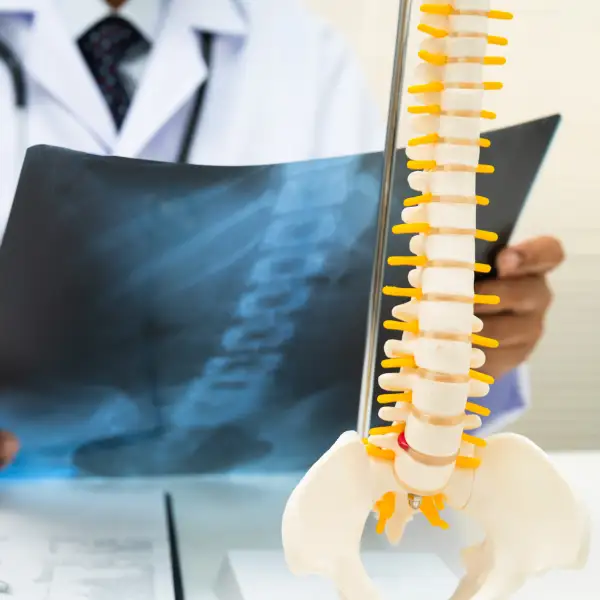
What Is Spinal Disc Surgery?
Slipped disc surgery is used to treat disc herniation or disc prolapse where the soft inner material of a spinal disc pushes through its outer layer and compresses a nearby nerve root. This compression causes leg or arm pain caused by nerve compression, often described as shooting, burning, or electric-shock sensations.
The most common procedure is microdiscectomy as a minimally invasive disc procedure, which uses a small incision and microscopic visualisation to precisely remove only the problematic disc fragment whilst preserving healthy tissue.
When Is Disc Herniation Surgery Recommended?
Spine disc surgery in London is considered when severe symptoms persist despite conservative treatment. Most herniated discs improve with physiotherapy, medication, and time—surgery is reserved for cases where non-surgical approaches have failed.
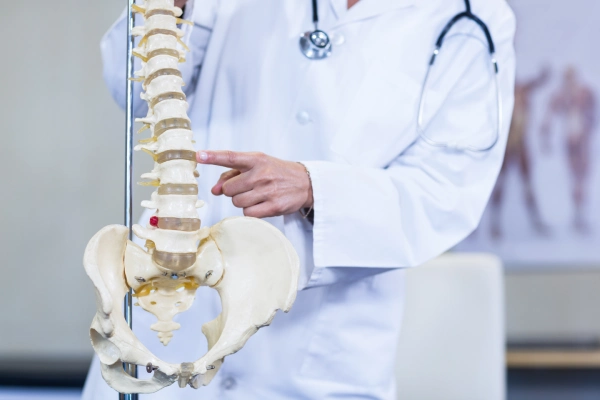
Ideal Candidates For Surgery
Surgery for sciatica caused by disc prolapse is recommended when nerve compression leads to persistent pain and functional limitation.
Ongoing leg pain despite weeks of treatment
Progressive numbness or weakness
Difficulty walking or performing daily tasks
Severe pain affecting sleep and mobility
Recurrent disc prolapse episodes
Common Conditions Treated
Lumbar Disc Herniation and Sciatica
Lumbar disc herniation occurs when a slipped disc compresses a nerve root, causing radiating leg pain and weakness. Surgery removes the fragment, causing compression to relieve sciatica.
Sciatica caused by slipped disc
Radiating leg pain from nerve compression
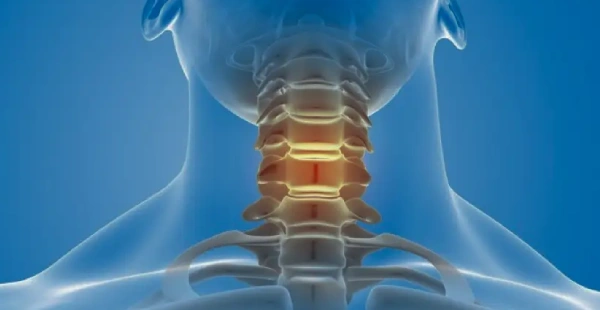
Cervical Disc Herniation
A cervical disc herniation can compress nerves supplying the arm and shoulder. Surgery relieves pressure on the nerve while preserving spinal stability.
Neck and arm pain from nerve compression
Persistent numbness or weakness
Microdiscectomy Procedure- An Overview
| Aspect | Details |
|---|---|
| Incision | 2-3cm over the affected level |
| Duration | 45-90 minutes typically |
| Technique | A microscope or an endoscope is used |
| Hospital stay | Same day or overnight |
The Recovery Process
- Day 1: Walking within hours; leg pain typically much improved; discharge same day or next morning
- Week 1-2: Gentle walking encouraged; avoid prolonged sitting, bending, or lifting over 2-3kg
- Week 2-4: Gradual return to light work and driving; most daily activities resumed
- Week 4-6: Increased activity levels; post-operative rehabilitation to restore movement and strength begins
- Week 6-12: Return to physical work and exercise; full recovery for most patients
Benefits of Private Spinal Disc Surgery
When Is Surgery the Right Choice
Not every herniated disc requires surgery—many resolve with conservative care. However, when nerve compression causes severe pain, weakness, or functional limitation despite adequate non-surgical treatment, surgery offers a proven path to recovery. Dr Purnajyoti Banerjee, with years of experience in spinal disc surgery in London, conducts a thorough assessment, including clinical examination and MRI review, to ensure that surgery is appropriate.
Frequently Asked Questions
How quickly does leg pain improve after microdiscectomy surgery?
Most patients experience significant relief of leg pain within days or immediately; numbness may take several weeks to months to resolve.
What is the risk of disc herniation recurring after slipped disc surgery?
Recurrence occurs in 5-10% of patients, typically within the first year; maintaining core strength and proper lifting technique reduces risk.
Can patients drive after disc herniation surgery?
Driving resumes when patients are off strong pain medication and can comfortably perform emergency stops, typically 1-2 weeks post-operatively.Spine Disc Surgery in London
Will surgery for sciatica caused by disc prolapse cure all back pain?
Surgery primarily relieves nerve-related leg pain; some mechanical back discomfort may persist and require separate management strategies.
Is bed rest necessary after private spinal disc surgery?
No, early mobilisation is encouraged; walking begins within hours of surgery to promote circulation and prevent complications like blood clots.
Other Treatments
Cervical Disc Replacement Surgery
Cervical Fusion Surgery
Keyhole Spine Surgery
Kyphoplasty Surgery
Lumbar Fusion Surgery

Spinal Decompression Surgery
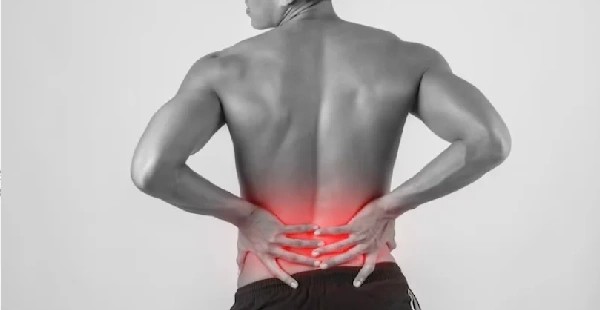
Spinal Disc Surgery

Frozen Shoulder Manipulation

Orthopaedic Injuries
Radio Frequency Ablation
Shockwave Therapy
Sports Injuries
Spinal Stenosis
Slipped Disc
Ultrasound Guided Injection