Spinal Stenosis Treatment in London
Home / Services / Treatments / Spinal Stenosis
When narrowing of the spinal canal puts pressure on nerves, causing leg pain, numbness, or weakness when walking or standing, spinal stenosis treatment is necessary. Spinal stenosis treatment focuses on relieving pressure, improving mobility, and helping patients regain daily independence and quality of life.
Dr Purnajyoti Banerjee provides comprehensive care for this common condition, offering both conservative and surgical solutions tailored to your needs.
What Is Spinal Stenosis Treatment?
Spinal stenosis treatment in London by Dr Purnajyoti Banerjee addresses the progressive narrowing of the spinal canal that compresses nerves and causes debilitating symptoms.
Furthermore, Dr Purnajyoti Banerjee is a private spinal stenosis specialist, providing expert diagnosis and management for patients with this condition. The narrowing is typically caused by age-related degenerative changes of the spine, including thickened ligaments, bone spurs, or disc bulging.
A hallmark feature is symptom relief when sitting or bending forward, as these positions slightly open the spinal canal. These symptoms worsen gradually over time rather than appearing suddenly.
When Is Spinal Stenosis Treatment Recommended?
Spinal stenosis treatment in London becomes necessary when the narrowing of the spinal canal significantly impacts daily activities and quality of life. Both lumbar (lower back) and cervical (neck) spinal stenosis treatments are available, depending on the location of the narrowing.

Common Symptoms Treated:
Neurogenic claudication: Leg pain, heaviness, or cramping with walking
Radicular pain: Shooting pain down one or both legs
Numbness and tingling: In legs, feet, or hands (cervical stenosis)
Weakness: Difficulty climbing stairs or lifting feet
Balance problems: Unsteadiness when walking
Myelopathy (cervical): Hand clumsiness, difficulty with fine motor tasks
Non-surgical spinal stenosis treatment is always the first approach, with surgery reserved for cases where conservative measures fail.
The Spinal Stenosis Treatment Process
| Treatment Type | Options Available |
|---|---|
| Physiotherapy | Core strengthening, flexibility exercises |
| Injections | Epidural or nerve root injections |
| Medication | Pain relief and anti-inflammatories |
| Surgery | Decompression (laminectomy) when needed |
Epidural or nerve root injections to reduce inflammation provide targeted relief and help determine whether surgery is beneficial. When surgical decompression is considered when mobility is significantly affected, spinal stenosis surgery typically involves a laminectomy—removing bone and tissue to create more space for nerves.
Recovery and Results
Recovery Timeline
- Non-surgical treatment: Progressive improvement over 6-12 weeks with physiotherapy and injections
- Post-surgical recovery: Walking within 24 hours; gradual increase in distance over 6-12 weeks
- Months 3-6: Continued recovery; maximum benefit achieved for most patients
Expected Outcomes
- Surgical patients experience a significant improvement in walking distance
- Non-surgical treatments are effective for mild to moderate cases
- Injections provide relief lasting weeks to months
- Improved quality of life and independence
Benefits of Private Spinal Stenosis Treatment
Is Spinal Stenosis Treatment Right for You?
Seek spinal stenosis treatment in London if you experience progressive difficulty walking, leg pain that improves when sitting or bending forward, numbness or weakness affecting daily activities, or symptoms not adequately controlled with basic pain medication. Dr Purnajyoti Banerjee will assess your symptoms, review imaging studies, and discuss whether lumbar spinal stenosis treatment or cervical spinal stenosis treatment through conservative or surgical means is most appropriate.
Frequently Asked Questions
How is spinal stenosis different from a slipped disc?
Stenosis involves gradual narrowing from degenerative changes; disc herniation is a sudden protrusion of disc material, though both can compress nerves.
Will non-surgical spinal stenosis treatment cure the condition permanently?
Conservative treatment manages symptoms effectively but doesn't reverse structural narrowing; however, many patients achieve long-term relief without surgery.
How successful is spinal stenosis surgery for lumbar spinal stenosis treatment?
Success rates exceed 70-80% for appropriately selected patients; walking ability and leg pain typically improve significantly within weeks of surgery.
Can cervical spinal stenosis treatment prevent permanent nerve damage?
Yes, timely treatment—especially for progressive myelopathy—prevents irreversible spinal cord injury; early intervention is crucial for optimal outcomes.
What is the recovery time after surgery with a private spinal stenosis specialist?
Most patients walk within 24 hours, return to light activities in 2-4 weeks, and typically achieve full recovery within 3-6 months.
Other Treatments
Cervical Disc Replacement Surgery
Cervical Fusion Surgery
Keyhole Spine Surgery
Kyphoplasty Surgery
Lumbar Fusion Surgery

Spinal Decompression Surgery
Spinal Disc Surgery
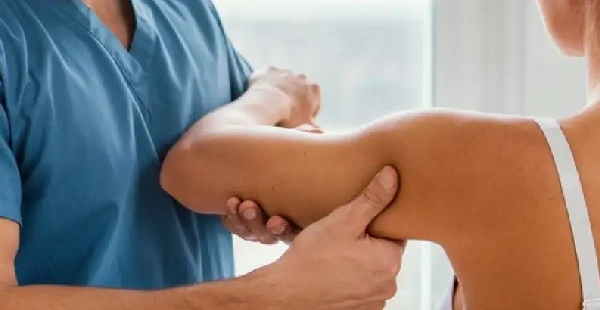
Frozen Shoulder Manipulation

Orthopaedic Injuries
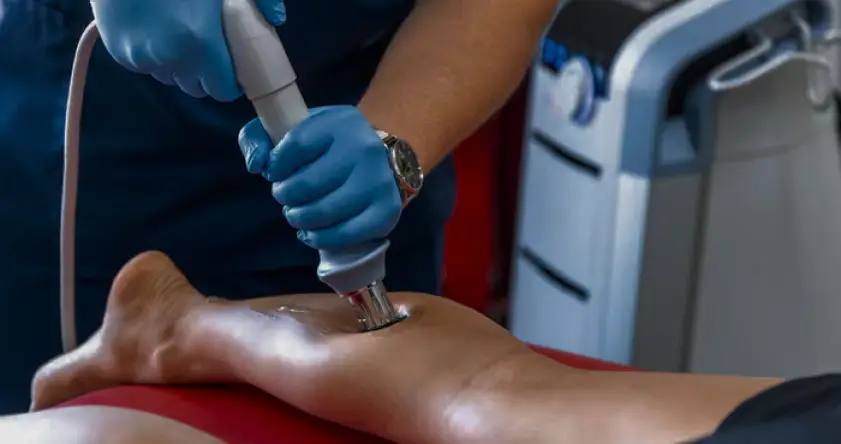
Radio Frequency Ablation
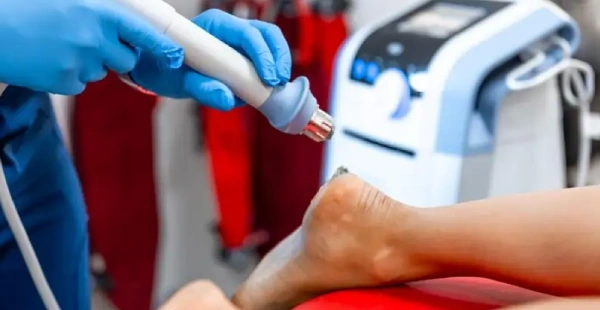
Shockwave Therapy
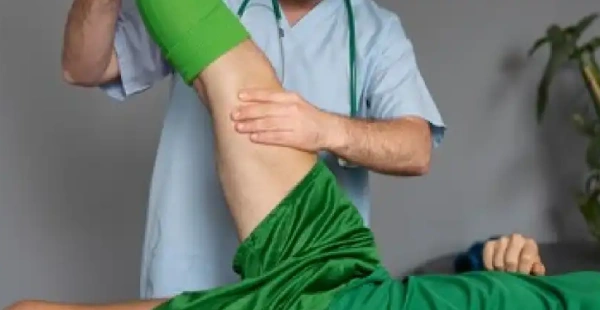
Sports Injuries
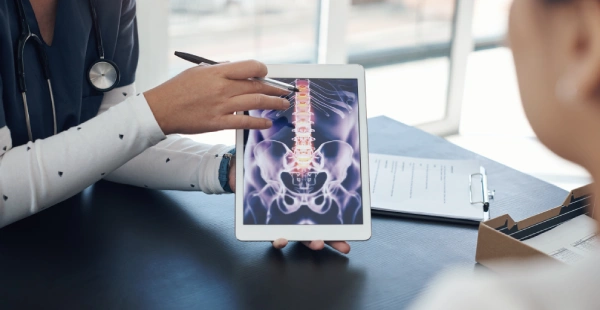
Spinal Stenosis
Slipped Disc
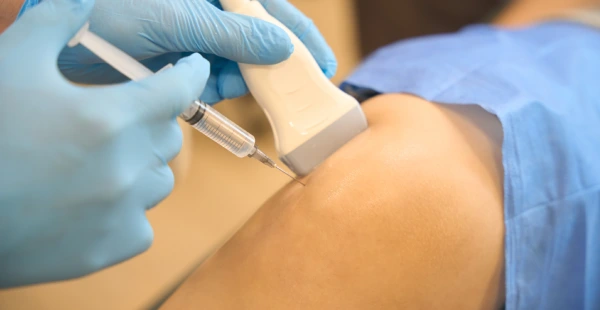
Ultrasound Guided Injection