Frozen Shoulder Manipulation Treatment in London
When frozen shoulder causes severe stiffness and pain that limits your ability to perform everyday tasks, frozen shoulder manipulation treatment may offer a faster path to recovery.
Dr Purnajyoti Banerjee provides this specialised procedure for patients with adhesive capsulitis causing pain and severe shoulder stiffness that hasn’t responded adequately to conservative care.
Dr Purnajyoti Banerjee provides this specialised procedure for patients with adhesive capsulitis causing pain and severe shoulder stiffness that hasn’t responded adequately to conservative care.

What Is Frozen Shoulder Manipulation?
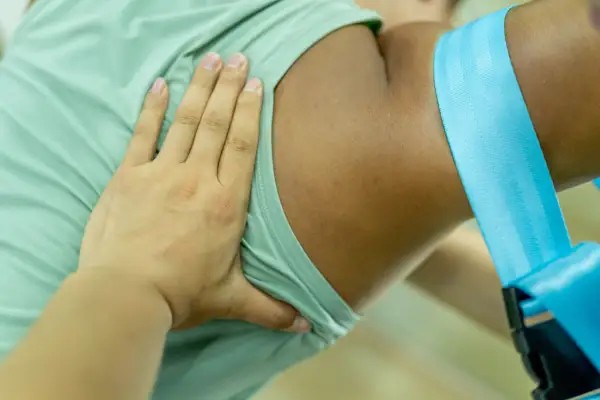
Manipulation under anaesthesia for frozen shoulder involves gentle, controlled movement to release the tight joint capsule whilst the patient is asleep under general anaesthesia.
The procedure addresses the treatment of adhesive capsulitis when restricted shoulder movement in all directions persists despite months of physiotherapy and injections.
The condition develops when the shoulder capsule—the connective tissue surrounding the joint—becomes inflamed and thickened, dramatically limiting movement and causing significant discomfort.
When Is Shoulder Manipulation Under Anaesthetic Recommended?
Frozen shoulder manipulation treatment in London by Dr Purnajyoti Banerjee is considered when physiotherapy and injections have not improved mobility after 4-6 months of consistent treatment. The procedure aims to rapidly restore range of motion in patients experiencing severe functional limitations.
Ideal Candidates
Persistent severe stiffness despite appropriate conservative treatment
Frozen shoulder in the “frozen” or early “thawing” (stage 3)
Significant impact on work, sleep, or daily activities
Good overall health for a short anaesthetic procedure
Not suitable for all patients—careful selection is important. Patients with osteoporosis, previous shoulder fractures, or certain medical conditions may not be appropriate candidates.
What Is The Manipulation Procedure
| Aspect | Details |
|---|---|
| Anaesthetic | General anaesthetic (fully asleep) |
| Duration | 15-30 minutes |
| Technique | Controlled shoulder movements |
| Additional treatment | A steroid injection is often given |
| Hospital stay | Day-case (home same day) |
Recovery and Rehabilitation
- Day 1: Shoulder may feel sore; gentle movements begin immediately
- Week 1-2: Intensive physiotherapy starts; exercises are performed multiple times daily
- Week 2-6: Progressive strengthening; gradual return to activities
- Month 2-3: Most functional activities restored; ongoing exercises to prevent recurrence
Benefits of Private Frozen Shoulder Treatment
Rapid consultation
Procedure scheduled within 1-2 weeks when appropriate
Dedicated post-procedure physiotherapy support
And personalised rehabilitation planning
Alternative Treatments
Before considering manipulation, patients typically try physiotherapy focusing on stretching, corticosteroid injections into the shoulder joint, pain management medication, and home exercise programmes. Adhesive capsulitis treatment follows a staged approach, with manipulation reserved for cases where less invasive methods haven’t worked.
Is Frozen Shoulder Manipulation Treatment in London Right for You?
If frozen shoulder limits daily life and conservative care has failed, Dr Purnajyoti Banerjee will confirm suitability for frozen shoulder manipulation treatment in London.
Frequently Asked Questions
How painful is shoulder manipulation under anaesthetic?
The procedure is painless because patients are fully asleep; post-procedural soreness is manageable with prescribed pain medication.
Can frozen shoulder return after manipulation under anaesthesia?
Recurrence is uncommon (less than 10%) when post-procedure physiotherapy is performed diligently; non-compliance significantly increases the risk of recurrence.
When can patients return to work after frozen shoulder surgery?
Desk-based work resumes within 3-5 days; physical labour typically requires 2-4 weeks, depending on job demands and recovery progress.
Is manipulation better than arthroscopic capsular release?
Manipulation is less invasive and is tried first; arthroscopic release is reserved for cases in which manipulation fails or is unsuitable.
How long does the improved mobility last after private frozen shoulder treatment?
With proper rehabilitation, improvements are typically permanent; maintaining shoulder flexibility through ongoing exercises prevents future problems.
Other Treatments
Cervical Disc Replacement Surgery
Cervical Fusion Surgery
Keyhole Spine Surgery
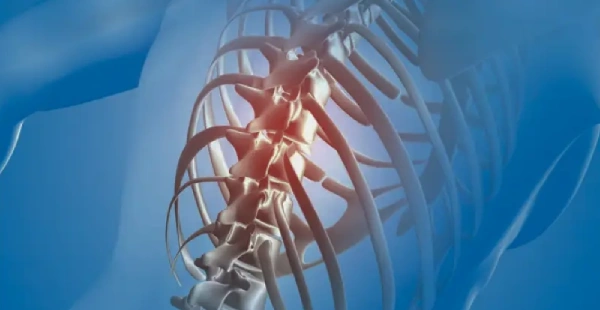
Kyphoplasty Surgery
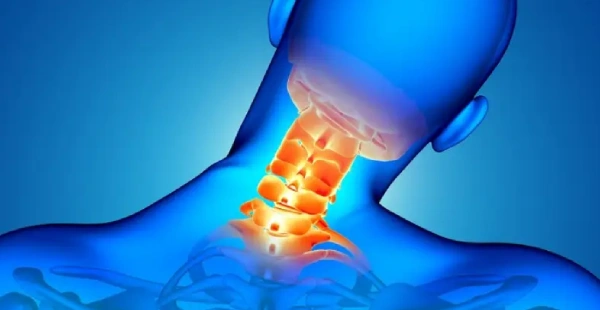
Lumbar Fusion Surgery

Spinal Decompression Surgery
Spinal Disc Surgery
Orthopedic Injuries
Radio Frequency Ablation
Shockwave Therapy
Sports Injuries
Spinal Stenosis
Slipped Disc