
Keyhole Spine Surgery in London
Home / Services / Treatments / Keyhole Spine Surgery
Modern spinal surgery has evolved dramatically, and keyhole spine surgery represents a significant advancement in treating disc problems and nerve compression.
Dr Purnajyoti Banerjee, recognised as one of the best spinal surgeons in London, specialises in minimally invasive spine surgery techniques that allow faster recovery and less disruption to your daily life.

What Is Keyhole Spine Surgery?
Keyhole spine surgery uses a minimally invasive (‘keyhole’) approach with a small incision—typically 2-3cm rather than the 8-10cm required for traditional open surgery. This modern technique results in less muscle disruption and reduced post-operative pain, helping patients return to normal activities more quickly.
The procedure utilises endoscopic techniques, including a camera and specialised instruments, to perform precise work through a small opening. Endoscopic spine surgery is particularly effective for conditions where nerve compression causes debilitating symptoms.
When Is Keyhole Spine Surgery Recommended?
Keyhole spine surgery is recommended when nerve compression causes persistent pain, weakness, or mobility limitation that does not improve with conservative treatment. It is typically considered after physiotherapy, medication, or injections fail to provide lasting relief.
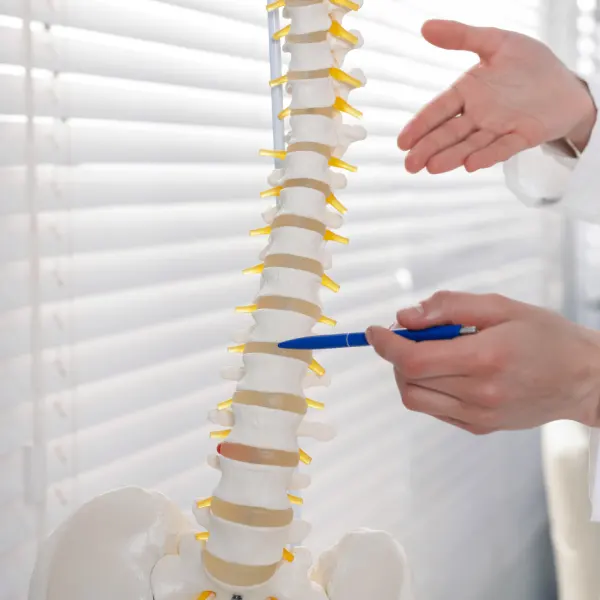
Conditions Treated with Minimally Invasive Techniques
Minimally invasive spine surgery is used for common nerve compression conditions that cause persistent leg pain and mobility limitation.
Herniated Disc and Sciatica
The most frequent application is microdiscectomy (keyhole discectomy), which treats sciatica and leg pain caused by a slipped (herniated) disc.
A microdiscectomy to remove the disc fragment pressing on the nerve relieves compression whilst preserving the healthy portion of the disc.
Relieves nerve compression
Preserves healthy disc tissue
Spinal Stenosis
Keyhole decompression for spinal stenosis (trapped nerve symptoms) widens the space around compressed nerves.
This spinal decompression surgery (keyhole) removes bone spurs or thickened ligament causing narrowing, providing relief from leg pain, cramping, or walking difficulties.
Creates space for compressed nerves
Reduces leg pain and walking difficulty
Keyhole vs Traditional Open Surgery
| Aspect | Keyhole Surgery | Traditional Open Surgery |
|---|---|---|
| Incision Size | 2-3cm | 8-10cm |
| Posterior | Back of neck | Certain deformities |
| Hospital Stay | Same day or 1 night | 2-3 nights typically |
| Recovery Time | 2-4 weeks | 6-12 weeks |
| Pain Medication | Less required | Higher doses needed |
What to Expect: Recovery Timeline
- Week 1-2: Walking encouraged; avoid bending, lifting, or twisting; most pain medication tapered off
- Week 2-4: Return to desk work possible; light household tasks resumed; driving when comfortable (usually 1-2 weeks)
- Week 4-8: Physical work gradually resumed; physiotherapy intensified; normal daily activities restored
- Week 8-12: Return to sports and vigorous activities; full recovery for most patients
Benefits of Keyhole Spine Surgery
Seeking a Spine Care Surgeon in London
As a consultant spine surgeon in London, Dr Purnajyoti Banerjee delivers safe and effective treatment from the first consultation to recovery. Many locals trust him and see him as one of the best spinal surgeons in London, offering clear planning, evidence-based decisions, and personalised surgical care focused on long-term results.
Frequently Asked Questions
How painful is keyhole spine surgery compared to traditional open procedures?
Post-operative pain is significantly less due to minimal muscle disruption; most patients manage with simple painkillers within days.
Can all spine conditions be treated with minimally invasive techniques?
Not all cases are suitable; complex instability or multi-level disease may require traditional approaches for optimal outcomes.
What is the success rate for keyhole discectomy in relieving sciatica?
Success rates exceed 85-90% for appropriate candidates with confirmed disc herniation causing nerve compression and matching symptoms.
Will patients need physiotherapy after minimally invasive spine surgery?
Yes, structured rehabilitation helps restore core strength and flexibility, reducing recurrence risk and optimising long-term spinal health.
How quickly can patients return to sports or gym activities?
Most return to light exercise at 4-6 weeks; high-impact sports or heavy lifting typically wait until 8-12 weeks.
Other Treatments
Cervical Disc Replacement Surgery
Cervical Fusion Surgery
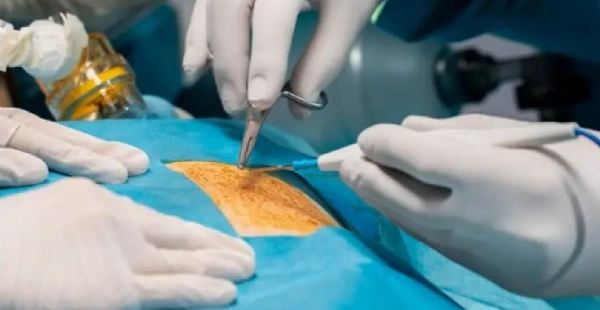
Keyhole Spine Surgery
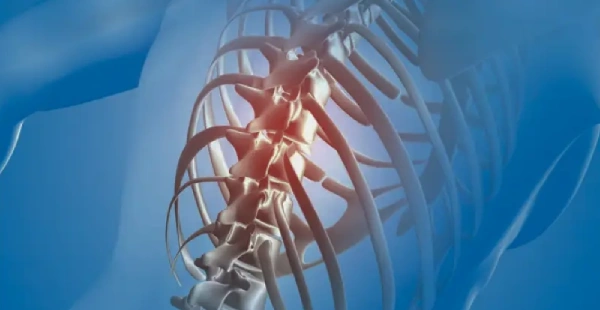
Kyphoplasty Surgery
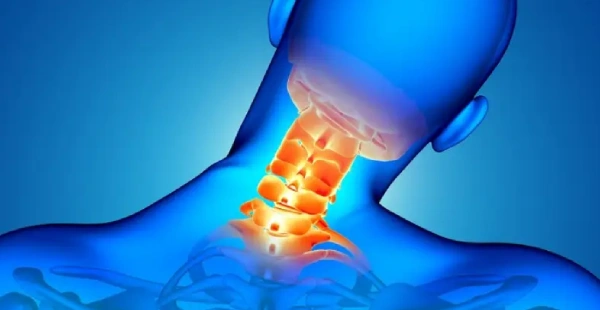
Lumbar Fusion Surgery

Spinal Decompression Surgery

Spinal Disc Surgery

Frozen Shoulder Manipulation

Orthopaedic Injuries
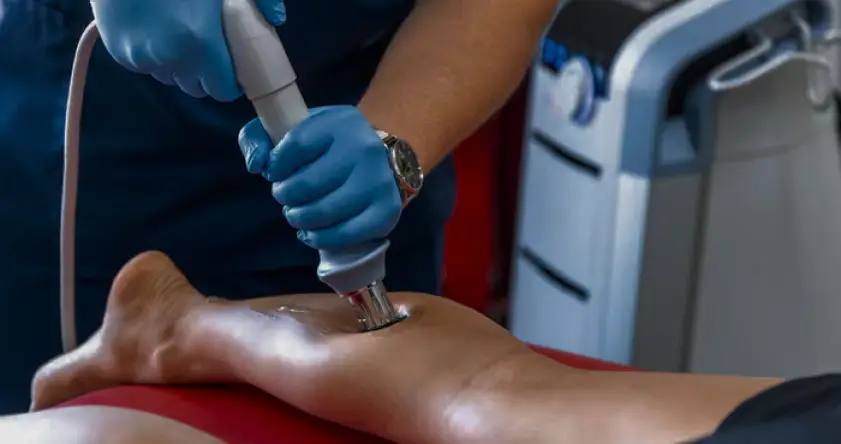
Radio Frequency Ablation
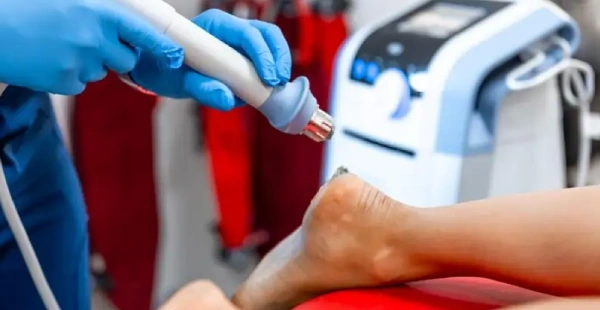
Shockwave Therapy
Sports Injuries
Spinal Stenosis

Slipped Disc
Ultrasound Guided Injection