

Guides & Resources on Treatments and Surgeries
Home > Blog
Stay informed with the latest updates on spinal surgery, recovery tips, and innovative non-surgical breakthroughs by Dr Purnajyoti Banerjee.

8 Reasons Why Your Neck Hurts Every Morning and How to Stop It
Waking up with a stiff, sore neck is one of those annoyances that can instantly affect your day. You stretch, twist, and hope it’ll magically disappear—but more often than not, it lingers. But before you rush to the doctor, understanding the possible causes behind…
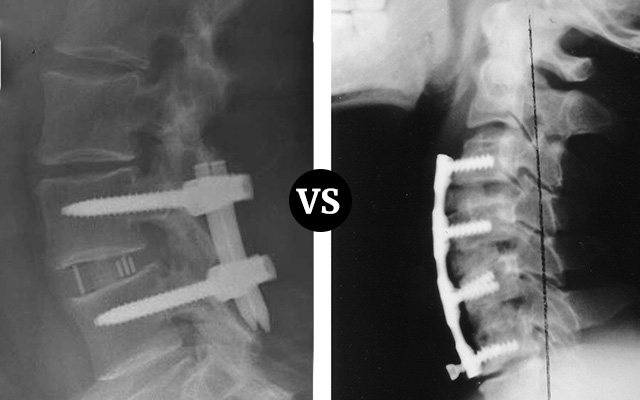
Single-Level vs Multi-Level Fusion: How Outcomes Differ
Back pain has a way of taking over your life quietly at first. It may begin as a small stiffness after long sitting, then slowly turn into pain while walking, bending, sleeping, or even standing for a few minutes. And when medicines, physiotherapy, injections, and…

The Hidden Role of Muscle Imbalance in Chronic Back Pain
Back pain is the worst. It’s sneaky. It shows up when you least expect it. Sitting at your desk? Bam. Bending to pick up your coffee? Bam again. It doesn’t just ruin your day — it ruins your mood, your sleep, and your weekend plans. Most folks blame bad posture,…
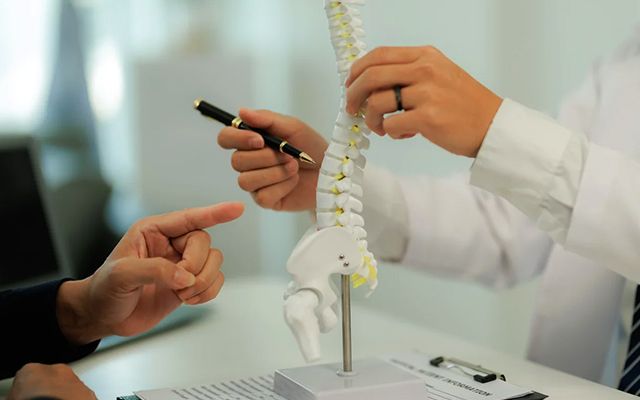
The Complete Guide to Disc Replacement Surgery: Everything Patients Need to Know
Disc replacement surgery is a procedure that involves removing a damaged spinal disc and replacing it with an artificial implant to preserve movement and relieve pain. Unlike fusion, which locks the segment, this approach maintains natural motion while addressing the…
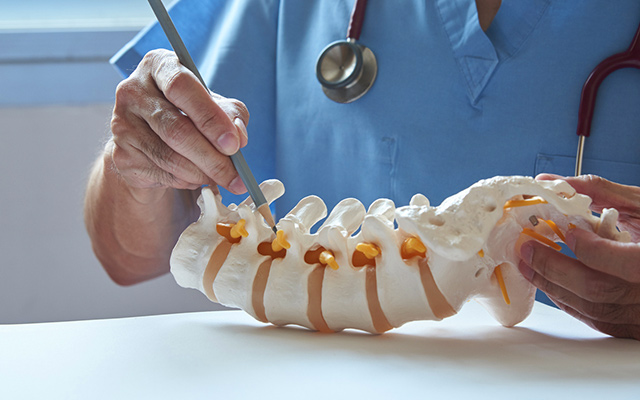
Minimally Invasive Spinal Surgery: Benefits, Limitations & Who Qualifies
Minimally invasive spine surgery is a modern surgical approach designed to treat spinal conditions with precision while minimising disruption to surrounding muscles and tissues. Instead of large incisions, it uses small access points and specialised instruments to…

What Makes a Complex Spine Case Different From Routine Back Pain
Back pain is common and often linked to muscle strain, posture problems, or temporary disc irritation. Most cases settle with time, movement, and simple care. A complex spine case is different. When pain persists, involves nerve symptoms, or reflects deeper structural…

Osteoporotic Spine Fractures: When Is Kyphoplasty the Right Choice?
Back pain in older adults is not always “just ageing.” Sometimes it signals a fracture inside the spine caused by fragile bones. These fractures can lead to severe pain, loss of height, and a stooped posture if untreated. Understanding the right treatment early…
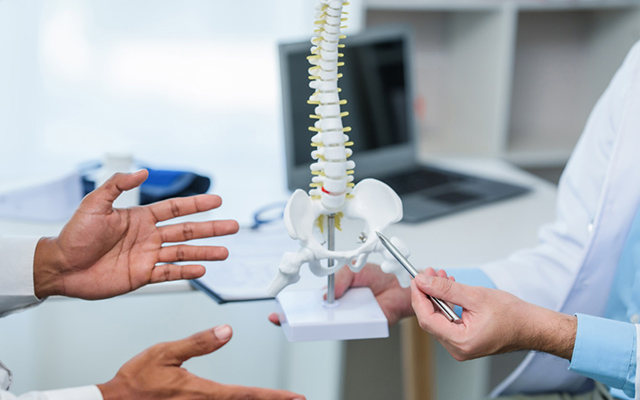
Why more active patients choosing disc replacement over fusion
If you enjoy staying active, the idea of spinal surgery can feel unsettling for one simple reason—you don’t want to trade pain relief for stiffness. Many people with disc problems reach a point where physiotherapy, medication, and lifestyle changes stop working, but…
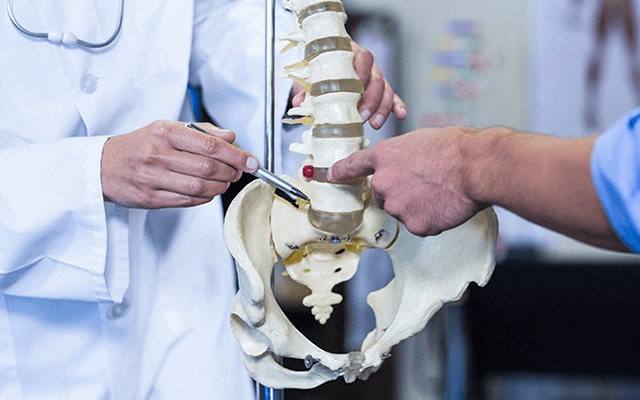
What actually happens during spine decompression surgery?
Pain that travels from the back into the legs, numbness that appears while walking, or weakness that makes simple movements uncomfortable are often signs of nerve compression in the spine. Many people try medication, physiotherapy, or rest for months before realising…
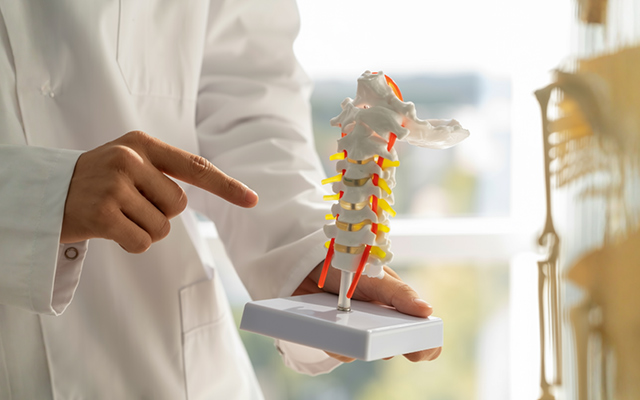
The Role of Spine Surgery in Treating Sciatica and Nerve Pain
Sciatica is not just back pain—it’s nerve pain that can shoot down the leg, disrupt sleep, and make everyday movement exhausting. For many people, sciatica improves with time and conservative care. But when pain becomes persistent, severe, or disabling, surgery…