


Leg cramps often appear much earlier than back pain in people with spinal stenosis, and that’s what makes the condition confusing. The cramp feels like a regular muscle pull at first, so sprays and balms seem like the obvious fix—until the pain keeps returning or subtly hints toward the lower back. It’s not always a sign of something serious, so there’s no need to panic, but staying aware helps you catch the problem early.
Here, you’ll understand why leg cramps show up before back pain, how the condition affects your nerves, what early warning signs matter, and which spinal stenosis treatments actually help. You’ll also know when it’s the right time to consult a specialist and how to prevent the symptoms from progressing.
What Is Spinal Stenosis?
Spinal stenosis is the narrowing of the spaces in your spine. This narrowing puts pressure on the nerves that move your legs. These nerves control strength, sensation, and muscle activity. When they get irritated, symptoms appear quickly.
The condition affects your ability to stand, walk, climb stairs, or stay active. The pain may start mild and then become more frequent. Some people feel heaviness in their legs before they feel any real backache. This is why the condition often goes unnoticed at the beginning.
Why Your Legs Cramp Before Your Back Hurts
Leg cramps appear first because leg nerves take the direct hit from the narrowing. These nerves exit from the lower spine. They need more space and more blood supply. When the spinal canal becomes constricted, these nerves are the first to suffer.
Reduced blood flow creates an oxygen shortage in the nerves. This lack of oxygen causes cramps, heaviness, tingling, and numbness. Your back muscles do not react as fast. They have better blood flow and more support. Back pain comes later, only after the pressure increases.
This pattern is common. It also helps doctors identify early lumbar stenosis.
How Nerve Compression Triggers Leg Cramps
Nerve roots in your lower spine travel down both legs. They carry signals that control balance, strength, reflexes, and coordination. When stenosis compresses these nerves, signals slow.
This slowdown affects walking. You may notice that your legs feel tired after a very short distance. You may feel cramps while climbing stairs. You may also feel numbness or tingling in your thighs, knees, or calves.
The symptoms improve when you bend forward. This position opens the spinal canal and allows better blood flow. This is why walking with a slight bend or leaning on a shopping cart feels easier for many people with stenosis.
Other Reasons Your Legs Feel It First
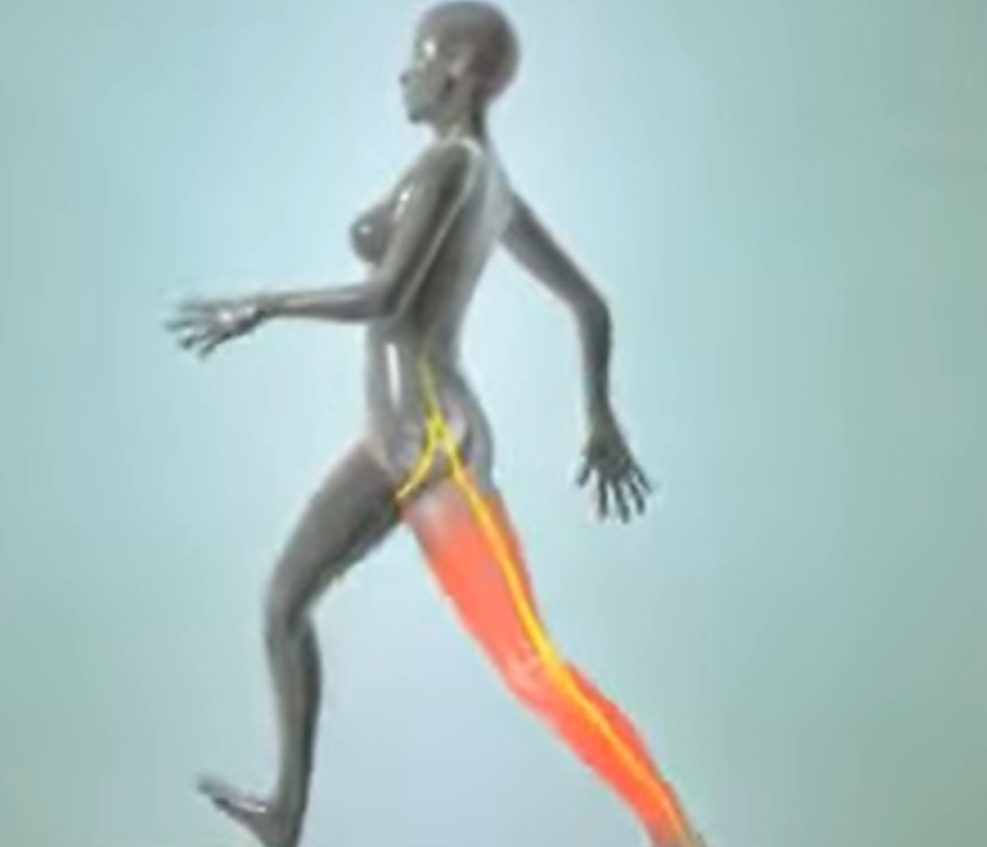
There are several additional reasons why leg pain appears before back pain:
Nerve roots exit lower in the spine
They get trapped early when space narrows.
Leg nerves require more room
A small reduction in space affects them quickly.
Your legs work harder
Walking, standing, and climbing add strain.
Circulation changes faster in the legs
Poor blood flow creates cramps and heaviness.
These factors make leg cramps the first and strongest warning sign.
Why Does Back Pain Come Later
Your back muscles have strong support. They have a better blood supply and do not react to compression as quickly. Leg nerves, however, are long nerves. They are sensitive to even slight pressure. When these nerves become irritated, the symptoms appear quickly.
Back pain begins when the compression becomes more severe. This pain may start as stiffness. It may become sharp over time.
Common Symptoms to Watch For
Spinal stenosis shows a very clear pattern. Look for these signs:
- Leg cramps while walking
- Tingling in the thighs or calves
- Heaviness in the legs
- Weakness during climbing
- Numbness after standing
- Relief when bending forward
- Slow walking speed
- Trouble balancing
- Back pain that comes later
These symptoms often lead people to seek spinal stenosis treatment. Early care prevents nerve damage.
Who Is at Risk of Spinal Stenosis?

Anyone can develop stenosis, but certain groups face a higher risk. These include those who-
- Are above age 50 and have arthritis
- Have slipped discs or previous spine injuries
- Suffer from scoliosis or bone overgrowth
- Have thick spinal ligaments
A family history of spinal issues also increases risk.
How Doctors Diagnose Spinal Stenosis
Doctors follow a clear, structured process:
Medical history
They usually ask about symptoms, walking ability, and what triggers the pain. These details help them understand how the condition is affecting your daily life.
Physical examination
They check your strength, reflexes, balance, and overall posture. These tests help identify which nerves might be affected.
Imaging tests
- X-rays show bone changes.
- MRI shows nerve compression.
- CT scans show canal narrowing.
Diagnosis becomes much more accurate when all symptoms and tests are reviewed together. This clarity helps the doctor choose the right treatment and plan the best path to recovery.
Treatment Options for Spinal Stenosis
Treatment depends on the severity of your symptoms. Most people improve with non-surgical care.
Minimally Invasive Surgery
If symptoms become severe, modern surgical options help. These include:
- Laminectomy
- Microdecompression
- Foraminotomy
- Spinal fusion in select cases
These procedures free the trapped nerves. Many patients experience fast relief from leg cramps.
Medication
Medication helps reduce pain and inflammation. You may receive anti-inflammatory drugs, muscle relaxants, or nerve pain medication. These improve comfort but do not fix the narrowing.
Epidural Injections
Epidural steroid injections target the irritated nerves. They reduce swelling and provide quick relief. Many patients walk better within days.
Physiotherapy
Physiotherapy strengthens your back and leg muscles. It also improves flexibility. Strong muscles reduce pressure on nerves. Physiotherapy is often the first step in spinal stenosis treatment.
Lifestyle Changes
Small changes can help greatly:
- Avoid long-standing
- Take short walks
- Maintain a healthy posture
- Use warm packs
- Wear proper shoes
- Strengthen your core
- Avoid heavy lifting
- Sit with proper support
These reduce nerve pressure and improve mobility.
How to Prevent Leg Cramps If You Have Spinal Stenosis
Try these simple steps daily:
- Stretch your hamstrings
- Strengthen your core
- Take short walking breaks
- Use warm compresses
- Avoid long-standing
- Sit with proper support
- Keep a healthy weight
- Follow your physiotherapy plan
These small steps help stabilise the spine and reduce symptoms.
Get the Ultimate Pain Relief
Leg cramps appear before back pain because the leg nerves are compressed earlier. Poor blood flow, nerve irritation, and posture all play a role. Understanding this pattern helps you respond early and avoid worsening symptoms.
With the right care, you can walk better, move confidently, and reduce pain. If symptoms worsen, consider expert treatment for spinal stenosis.
Consult Dr Purnajyoti Banerjee for Expert Care
Dr Purnajyoti Banerjee offers advanced, personalised care for spinal stenosis. He focuses on accurate diagnosis, effective treatment, and long-term recovery. If you want safe and reliable spinal stenosis treatment in London, book your consultation today.
You can contact the doctor at this email address: purnajyoti74@gmail.com
People Also Ask
1. Why do my legs hurt before my back with spinal stenosis?
Leg nerves are often compressed first, triggering symptoms before back pain. This is why cramps or tingling can appear before any discomfort in the spine.
2. Can spinal stenosis cause leg weakness?
Yes, it can. When nerves are compressed for long periods, they lose the ability to properly control strength and coordination.
3. Does bending forward reduce stenosis pain?
Yes, many people feel relief when they lean forward. This position slightly opens the spinal canal and reduces pressure on the nerves.
4. Can spinal stenosis improve without treatment?
No, the condition doesn’t reverse on its own. However, symptoms can be managed well with proper treatment and lifestyle adjustments.
5. When should you see a doctor?
You should seek help if walking becomes painful or if your legs start to feel weak. Early evaluation prevents the condition from getting worse over time.