


Chronic back or neck pain can quietly take over daily life—making sitting, sleeping, or even turning your head uncomfortable. For many patients, the root cause lies in the joints of the spine. When medications, physiotherapy, or injections fail, radiofrequency ablation for back and neck pain offers a reliable, non-surgical solution.
Dr. Purnajyoti Banerjee, a specialist in radiofrequency ablation for back and neck pain in London, helps patients regain mobility and long-term relief—without spine surgery.
Know how it works, who it’s for, and what you should realistically expect.
What is radiofrequency ablation for neck and back pain?
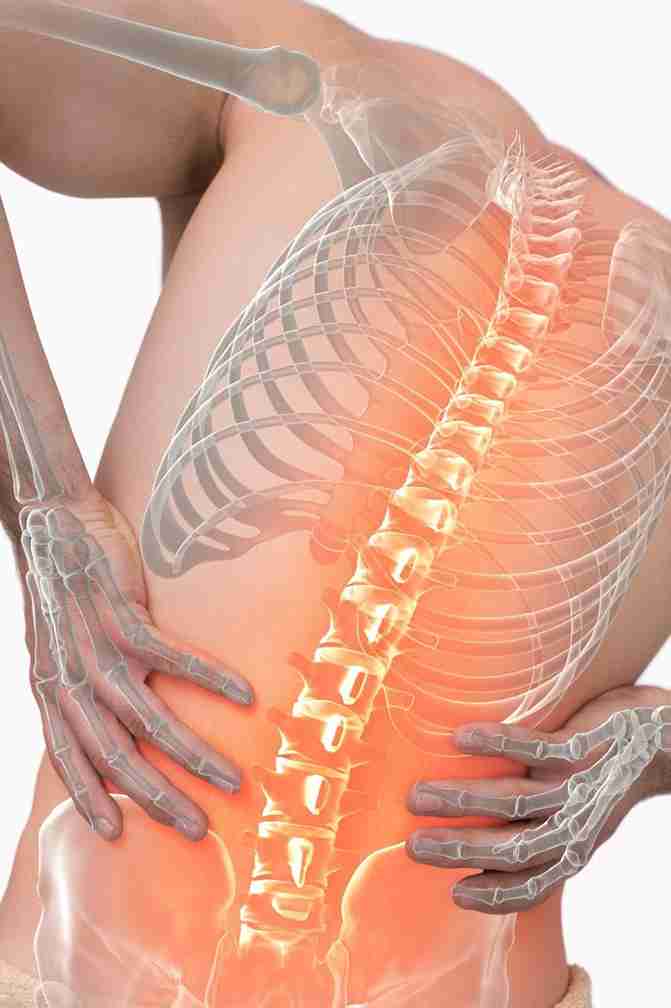
Radiofrequency ablation is a minimally invasive pain management procedure that targets nerves responsible for transmitting pain signals from the neck and back.
Instead of treating symptoms, joint radiofrequency treatment works by interrupting pain signals at their source using controlled heat generated by radio waves.
- Pain-causing nerves are identified
- Heat energy disables those nerves
- Pain signals stop reaching the brain
This makes it a powerful option for joint pain treatment and chronic joint pain relief.
What causes joint pain in the back and neck?
Joint pain in the neck and back usually develops due to wear and tear of the spine, often called facet arthritis.
Common causes include:
- Facet arthritis back pain due to ageing
- Poor posture or prolonged desk work
- Old spinal injuries
- Repetitive strain or heavy lifting
This pain often presents as:
- Neck pain due to facet joints
- Lumbar joint pain affecting the lower back
- Pain that worsens with bending or twisting
When conservative treatments fail, radiofrequency ablation for back pain becomes a logical next step.
How does radiofrequency nerve ablation in the spine work?
Radiofrequency nerve ablation targets the medial branch nerves that carry pain signals from the joints.
Here’s how the RFA procedure for neck and back pain works:
- A thin needle is guided using imaging (X-ray/fluoroscopy)
- The exact pain-causing nerve is confirmed
- Radiofrequency energy heats the nerve
- The nerve’s ability to send pain signals is blocked
Performed by specialists like Dr. Purnajyoti Banerjee, this radiofrequency ablation pain management approach is precise, safe, and effective.
Is radiofrequency ablation painful?
This is one of the most common patient concerns—and the short answer is no, not significantly.
Most patients describe the procedure as mildly uncomfortable but very tolerable.
What patients usually feel:
- Local anaesthetic sting (brief)
- Mild pressure during needle placement
- Temporary soreness after the procedure
The discomfort is minimal compared to the long-term relief it provides for back and neck pain.
Who is a candidate for radiofrequency ablation?
You may be a good candidate if:
- You have chronic back or neck pain lasting 3–6 months
- Imaging confirms joint involvement
- Pain improves temporarily with nerve blocks
- Physiotherapy and medications haven’t helped
Patients treated by Dr. Purnajyoti Banerjee often seek RFA as a non-surgical treatment for neck and back pain when other options fail.
How long does radiofrequency ablation last?
Radiofrequency ablation provides long-lasting pain relief, but it isn’t permanent.
On average:
- Relief lasts 6 to 18 months
- Some patients experience relief for over 2 years
- Nerves may slowly regenerate
If pain returns, a repeat radiofrequency ablation procedure can be safely performed.
What is the radiofrequency ablation success rate?
Clinical studies and real-world outcomes show strong results.
Radiofrequency ablation success rate:
- 70–85% pain reduction in well-selected patients (Source)
- Improved mobility and quality of life
- Reduced dependence on pain medications
Results are best when performed by experienced specialists like Dr. Purnajyoti Banerjee, using image-guided precision.
How long is the recovery time after radiofrequency ablation?
Recovery is quick, making it ideal for patients wanting minimal downtime.
Radiofrequency ablation recovery time
- Same-day discharge
- Mild soreness for 3–7 days
- Return to work in 1–3 days
- Full benefit felt within 2–4 weeks (Source)
This makes RFA a preferred minimally invasive pain management procedure.
Radiofrequency ablation vs steroid injections: which is better?
Steroid injections reduce inflammation temporarily. RFA targets pain nerves directly.
Key differences:
- Steroid injections: short-term relief (weeks to months)
- RFA: long-term relief (months to years)
For patients with recurring pain, radiofrequency ablation treatment for back pain offers longer-lasting results.
RFA vs nerve block for back pain: what’s the difference?

A nerve block is diagnostic and temporary. RFA is therapeutic.
Comparison:
- Nerve block: confirms pain source
- RFA: treats the confirmed pain source
- Nerve block relief: hours to days
- RFA relief: months to years
RFA is often performed after successful nerve blocks.
What are the side effects and risks of radiofrequency ablation?
Radiofrequency ablation is considered very safe when performed by trained specialists.
Possible radiofrequency ablation side effects:
- Temporary soreness
- Mild swelling or bruising
- Rare nerve irritation
Risks of radiofrequency ablation are minimal and far lower than surgical alternatives.
Are there alternatives to spine surgery for back pain?
Yes—and RFA is one of the most effective.
Alternatives include:
- Physiotherapy
- Medications
- Nerve blocks
- Steroid injections
- Radiofrequency ablation
For patients not ready or suitable for surgery, RFA offers powerful relief without hospitalisation.
What are the long-term results of radiofrequency ablation?
Long-term outcomes are highly positive when patients are correctly selected.
Patients report:
- Sustained pain relief
- Better posture and mobility
- Improved sleep
- Reduced medication use
With expert care from Dr. Purnajyoti Banerjee, patients benefit from advanced, evidence-based pain management treatment for joint pain.
Understanding Your Next Step in Long-Term Pain Relief
Facet joint pain doesn’t have to become a lifelong struggle. If you’re dealing with persistent back or neck pain and want a solution beyond medications or injections, radiofrequency ablation for back and neck pain offers a proven, minimally invasive path to relief.
With high success rates, quick recovery, and long-lasting results, RFA stands out as a smart, science-backed choice—especially when performed by experienced specialists like Dr. Purnajyoti Banerjee.
Book a Consultation
For expert guidance, consult Dr. Purnajyoti Banerjee, a trusted specialist offering radiofrequency ablation for back and neck pain in London, at this email address: purnajyoti74@gmail.com.
People Also Ask
- What is radiofrequency ablation used for in back pain?
Radiofrequency ablation is used to treat chronic back and neck pain caused by facet joint problems. It works by interrupting pain signals from the nerves supplying the facet joints, offering long-term relief when medications, physiotherapy, or injections fail.
- Is radiofrequency ablation safe for the spine?
Yes, radiofrequency ablation is considered very safe when performed by an experienced specialist. The procedure targets only pain-carrying nerves and does not damage the spine, muscles, or spinal cord.
- How painful is radiofrequency ablation?
Radiofrequency ablation is minimally painful. Most patients feel mild discomfort or pressure during the procedure, which is done under local anaesthesia. Any soreness afterward is usually temporary and manageable.
- How long does RFA pain relief last?
Pain relief from radiofrequency ablation typically lasts 6 to 18 months, and in some cases even longer. The treated nerves slowly regenerate over time, which is why pain may return gradually.
- Can radiofrequency ablation be repeated?
Yes, radiofrequency ablation can be safely repeated if pain returns. Many patients undergo repeat procedures with similar or improved results, especially if they responded well the first time.
- Who should not undergo radiofrequency ablation?
RFA may not be suitable for patients with active infections, bleeding disorders, uncontrolled medical conditions, or pain not originating from joints. A proper evaluation is essential before proceeding.
- Is RFA better than steroid injections?
For long-term relief, RFA is often more effective than steroid injections. Steroid injections provide temporary inflammation control, while radiofrequency ablation targets pain nerves for longer-lasting results.
- How soon can you walk after radiofrequency ablation?
Most patients can walk within a few hours after the procedure. Normal daily activities are usually resumed within 24–48 hours, depending on individual comfort levels.