

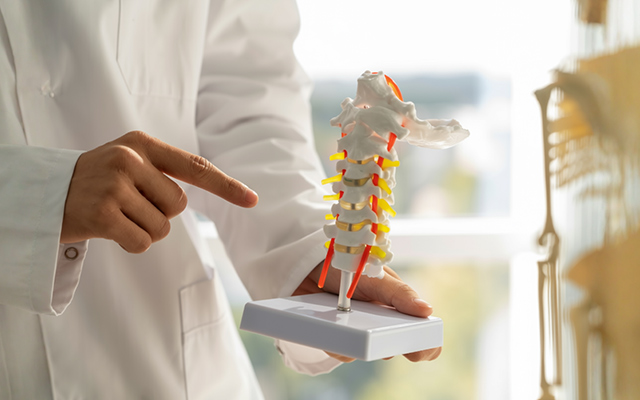
Sciatica is not just back pain—it’s nerve pain that can shoot down the leg, disrupt sleep, and make everyday movement exhausting.
For many people, sciatica improves with time and conservative care. But when pain becomes persistent, severe, or disabling, surgery may be part of the conversation.
Understanding when spine surgery helps, when it doesn’t, and what outcomes to expect is essential. Read on to find valuable insights on this subject from Dr. Purnajyoti Banerjee, a doctor specialising in sciatica treatment in London.
What causes sciatica nerve pain?
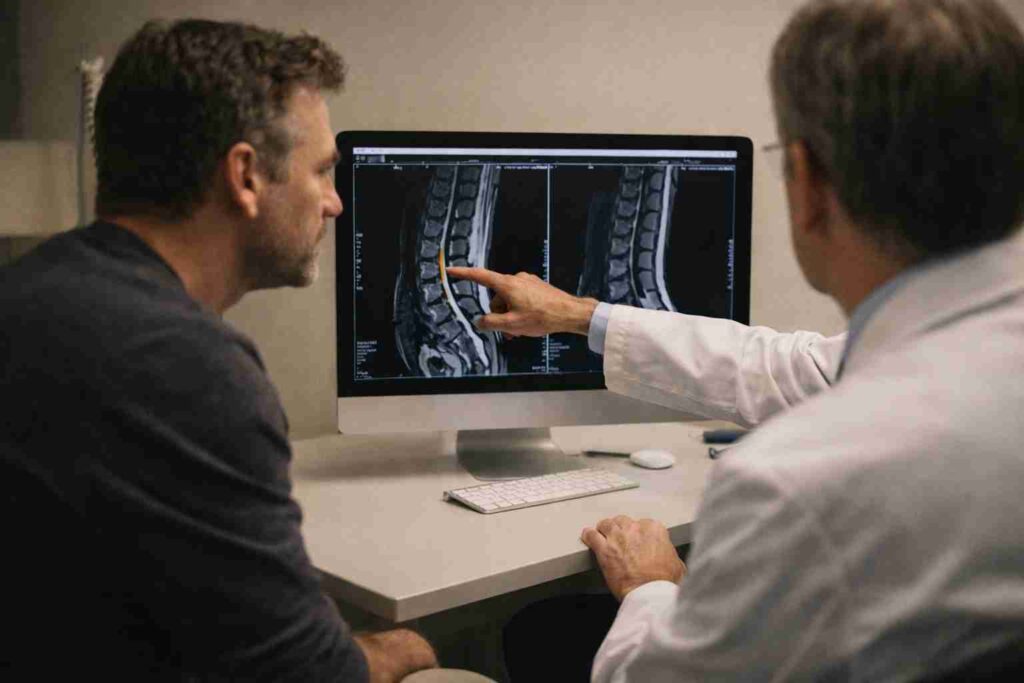
Sciatica nerve pain is caused by compression or irritation of the sciatic nerve, usually originating in the lower spine.
This compression interferes with nerve signals, leading to pain that travels from the lower back into the buttock, leg, or foot.
Common causes include:
- Sciatica caused by a slipped disc
- Spinal stenosis narrowing nerve space
- Degenerative disc disease
- Bone spurs
- Spinal instability
This condition is often described as back pain radiating to the leg, accompanied by burning, tingling, or electric-shock sensations.
What does sciatica nerve compression in the spine feel like?
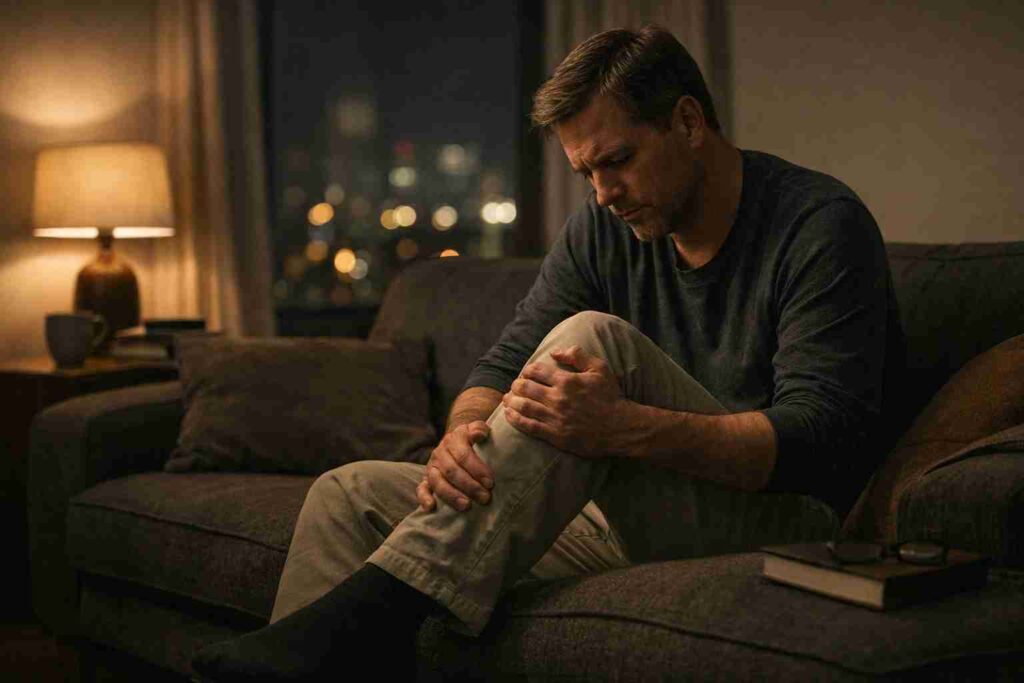
Sciatica nerve compression typically causes sharp or burning leg pain, often affecting one side of the body.
Patients frequently report:
- Sciatica pain down one leg
- Sciatica, numbness, and tingling
- Weakness in the foot or calf
- Sciatica pain is worse at night.
- Leg pain from the sciatica nerve is aggravated by sitting
If symptoms worsen or persist, consult Dr Purnajyoti Banerjee, a spine specialist for sciatica in London.
What are the treatment options for sciatica?
Sciatica treatment options range from conservative care to surgery, depending on the severity and duration of symptoms.
Sciatica treatment options explained:
Non-surgical options:
- Physiotherapy
- Pain-relieving medication
- Lifestyle and posture correction
- Image-guided injections
Surgical options:
- Spinal decompression for sciatica
- Minimally invasive sciatica surgery
- Surgery for sciatica nerve pain caused by disc or bone compression
Most people improve without surgery—but chronic sciatica treatment options become limited when nerve compression persists.
When does sciatica need surgical treatment?
Sciatica needs surgical treatment when nerve pain is severe, progressive, or not improving after weeks of conservative care.
Surgery may be recommended if:
- Severe sciatica does not improve after treatment
- Progressive weakness or numbness
- Loss of bladder or bowel control (urgent)
- Sciatica treatment not working after 6–12 weeks.
- Nerve pain froma slipped disc confirmed on imaging.
A spinal surgeon for sciatica will correlate scans with symptoms before recommending surgery.
What is the role of spine surgery in sciatica?
The role of spine surgery in sciatica is to relieve nerve compression and restore normal nerve function.
Surgery does not “treat pain” directly—it removes the physical cause of nerve pressure.
Common spine surgeries for sciatica
- Discectomy for slipped discs
- Laminectomy for spinal stenosis
- Spine surgery for nerve compression
- Stabilisation if instability exists
Is surgery effective for sciatica nerve pain?
Yes, surgery is highly effective for sciatica caused by confirmed nerve compression.
Success rate of sciatica surgery:
- Rapid leg pain relief in most patients
- High satisfaction when surgery is appropriately indicated
- Better outcomes when performed early for severe compression
| Outcome | What patients notice |
| Leg pain relief | Often immediate |
| Numbness | Improves gradually |
| Strength | Returns with recovery |
| Daily function | Significant improvement |
The best treatment for sciatica is to choose surgery only when it’s truly needed.
What are the risks and benefits of sciatica surgery?
Sciatica surgery offers strong pain relief benefits, but like all surgery, it carries risks.
Benefits of surgery:
- Fast relief from nerve pain
- Improved mobility
- Reduced reliance on medication
- Long-term relief from sciatica
Sciatica surgery risks and benefits compared:
| Benefits | Risks |
| Nerve decompression | Infection |
| Pain reduction | Bleeding |
| Improved quality of life | Temporary nerve irritation |
| Long-term relief | Rare recurrence |
An experienced spine surgeon will minimise risks through careful planning and modern techniques.
What is recovery like after sciatica surgery?
Recovery after sciatica surgery is usually quicker than patients expect, especially with minimally invasive techniques.
Typical recovery timeline:
- Hospital stay: 1–3 days
- Walking: Same or next day
- Light activity: 2–4 weeks
- Full recovery: 6–12 weeks
Patients undergoing minimally invasive sciatica surgery often experience faster healing and less muscle disruption.
Can spine surgery provide long-term relief from sciatica?
Yes, spine surgery can provide long-term relief when the underlying cause is correctly treated.
Long-term relief from sciatica depends on:
- Accurate diagnosis
- Complete nerve decompression
- Post-operative rehabilitation
- Lifestyle adjustments
When done correctly, surgery prevents recurring nerve compression and restores quality of life.
How does non-surgical vs surgical sciatica treatment compare?
Non-surgical treatment works best for early or mild sciatica, while surgery is more effective for persistent nerve compression.
| Non-Surgical | Surgical |
| Suitable early | For severe cases |
| Slower relief | Faster nerve relief |
| Ongoing management | Definitive treatment |
| Lower risk | Higher impact |
A back pain and sciatica specialist will guide patients through both paths honestly.
How much does sciatica surgery cost?
Sciatica surgery cost varies based on procedure type, hospital, and recovery needs.
Factors influencing cost include:
- Type of surgery performed
- Minimally invasive vs open approach
- Hospital stay length
- Follow-up care
Transparent discussion with the surgeon ensures informed decisions without surprises.
How does Dr. Purnajyoti Banerjee treat sciatica and nerve pain?
Dr. Purnajyoti Banerjee is a trusted sciatica specialist in London whom patients consult for evidence-based spine care.
His approach includes:
- Identifying the true source of nerve pain
- Prioritising non-surgical options first
- Using advanced spine surgery techniques when needed
- Offering personalised sciatica treatment plans
- Supporting recovery beyond surgery
This balanced philosophy defines the specialist sciatica care that patients value.
Key points patients should remember about sciatica surgery
Sciatica surgery is not for everyone—but for the right patient, it can be transformative. Persistent leg pain, weakness, or numbness should never be ignored. Early evaluation helps prevent long-term nerve damage and unnecessary suffering.
Understanding options empowers patients to choose treatment confidently, without fear or delay.
For patients seeking reliable sciatica treatment in London, Dr. Purnajyoti Banerjee offers clear guidance, advanced treatment options, and care focused on long-term outcomes rather than quick decisions.
Moving forward with the right care
Reach out to Dr. Purnajyoti Banerjee, a surgeon specialising in sciatica treatment in London, at this email address: purnajyoti74@gmail.com for more details.
People Also Ask
When does sciatica require spine surgery?
Sciatica may require spine surgery when severe nerve pain, weakness, or numbness persists despite several weeks of non-surgical treatment such as physiotherapy, medication, or injections.
Is surgery the best treatment for sciatica nerve pain?
Surgery is one of the most effective treatments for sciatica nerve pain when the cause is confirmed nerve compression, such as a slipped disc or spinal stenosis. It is not always the first option, but it can provide faster and more lasting relief.
How successful is sciatica surgery?
Sciatica surgery has a high success rate, especially for leg pain caused by nerve compression. Most patients experience rapid and significant relief of leg pain, along with gradual improvement in numbness and strength.
Can sciatica be treated without surgery?
Yes, many cases of sciatica improve without surgery. Physiotherapy, pain medication, lifestyle changes, and targeted injections often relieve symptoms, particularly in mild or early cases.
How long does recovery take after sciatica surgery?
Recovery after sciatica surgery usually takes between 6 and 12 weeks, depending on the type of procedure and the patient’s overall health.
What happens if sciatica nerve pain is left untreated?
If sciatica caused by nerve compression is left untreated, ongoing pressure on the nerve can lead to chronic pain, persistent numbness, muscle weakness, or even permanent nerve damage.
Is minimally invasive surgery effective for sciatica?
Yes, minimally invasive surgery is highly effective for many sciatica cases and is commonly used today. It often results in less tissue damage, reduced pain after surgery, shorter hospital stays, and faster recovery.