

Back pain can be particularly debilitating for older adults. As we age, our bodies undergo natural wear and tear, which often leads to chronic pain, especially in the back and neck.
Radiofrequency ablation for back and neck pain is one treatment option that has gained popularity. Explore whether radiofrequency ablation is safe for older adults with back pain and comorbidities as you read further.
What is Radiofrequency Ablation?
Radiofrequency ablation (RFA) is a minimally invasive procedure used to treat chronic pain, especially in the back and neck. It involves using heat generated by radio waves to target specific nerves that send pain signals.
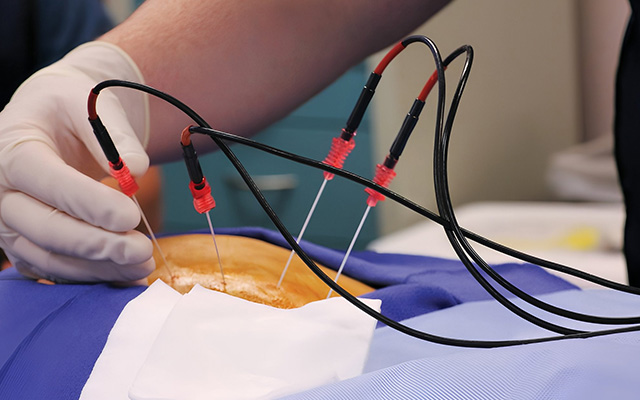
A small needle is inserted into the targeted area, and heat is applied to interrupt transmission of the pain signal. The procedure typically provides long-term relief for patients with chronic pain conditions.
Radiofrequency ablation is most commonly used for conditions like osteoarthritis, herniated discs, and degenerative disc disease, which are often associated with chronic back and neck pain. This procedure can help reduce reliance on pain medications and offer a more effective and lasting solution for many patients.
How Does Radiofrequency Ablation Work?
The Radiofrequency ablation procedure targets the pain-causing nerves. Once these nerves are identified, the radiofrequency energy is applied to them. This process creates a small lesion in the nerve, preventing it from sending pain signals to the brain. Over time, the nerve may regenerate, but the effects of the procedure can last for months or even years.
Is Radiofrequency Ablation Safe for Older Adults?

Many older adults suffer from back pain caused by conditions like osteoarthritis, degenerative disc disease, and spinal stenosis. For these individuals, radiofrequency ablation for back and neck pain can be an effective solution. But is it safe for seniors, especially those with other health conditions?
The answer is generally yes, but there are a few important factors to consider.
Health Factors to Consider
Older adults often have multiple health conditions, such as high blood pressure, diabetes, or heart disease, which can affect the safety and success of certain medical procedures. It’s important to have a full evaluation by a doctor to ensure that radiofrequency ablation is suitable for someone with underlying health issues.
One of the primary concerns for seniors is their overall ability to tolerate the procedure. Radiofrequency ablation is minimally invasive and typically does not require general anaesthesia. This makes it a safer option for older adults compared to more invasive surgeries. However, it’s still essential to assess the individual’s overall health before proceeding with the treatment.
The Procedure Itself
The procedure is relatively simple and involves minimal risk. The doctor will use imaging technology, such as X-rays or ultrasound, to guide the needle to the correct location. A local anaesthetic is applied to the area to minimise discomfort during the procedure. The procedure usually lasts about 30-60 minutes and requires only a short recovery period. Most patients can resume normal activities within a day or two.
For seniors, this quick recovery time is an added benefit, as it reduces the time spent in a healthcare setting and minimises the risk of complications.
Benefits of Radiofrequency Ablation for Older Adults

There are several reasons why radiofrequency ablation is an attractive option for older adults with back and neck pain. Some of the key benefits include:
- Minimally Invasive
Unlike surgery, radiofrequency ablation requires only a small needle and a local anaesthetic. This means less risk, less pain, and a shorter recovery time.
- Reduced Reliance on Pain Medication
For older adults, reducing reliance on medications like opioids is a significant advantage. Radiofrequency ablation offers an effective pain management solution without the risks associated with long-term medication use.
- Long-Lasting Relief
Many patients experience significant pain relief that can last for months or even years. This makes it an appealing long-term solution for managing chronic pain in seniors.
- Quick Recovery Time
Seniors can typically return to normal activities within a day or two after the procedure. This means less disruption to daily life and fewer long-term consequences.
- Improved Quality of Life
With pain relief and improved mobility, many older adults experience a better quality of life after the procedure. They can return to activities they love, from walking to gardening or even travelling.
Risks and Complications
While the procedure is considered safe, minor risks may occur. These can include temporary soreness at the injection site, a small chance of infection, or short-term discomfort that usually settles within a few days. Serious complications, such as nerve irritation, are rare when the procedure is performed by an experienced specialist.
To minimise these risks, it is important for seniors to work closely with a qualified specialist who has experience performing radiofrequency ablation, particularly for older adults with other health issues.
What You Need to Know Before Undergoing Radiofrequency Ablation
Before deciding to undergo radiofrequency ablation, it’s essential to have a comprehensive consultation with a qualified specialist. During this consultation, the specialist will:
- Review your medical history.
- Discuss your pain levels and the duration of your symptoms.
- Conduct diagnostic tests, such as X-rays or MRIs, to determine the exact cause of your pain.
- Explain the benefits and risks of radiofrequency ablation.
- Help you understand the expected recovery time and results.
Dr. Purnajyoti Banerjee, who specialises in radiofrequency ablation for back and neck pain in London, offers personalised consultations to ensure the best possible outcomes for his patients. By working closely with Dr. Banerjee, you can take a proactive step toward pain relief and a better quality of life.
Find the Ultimate Relief
Radiofrequency ablation offers a promising solution for older adults experiencing chronic back and neck pain, especially for those with conditions like osteoarthritis and herniated discs. The procedure provides long-lasting relief without the need for invasive surgery. However, to ensure the best outcomes, it’s crucial to seek guidance from a qualified specialist like Dr. Purnajyoti Banerjee.
Personalised care tailored to your specific needs can significantly enhance your chances of experiencing pain relief and improving your overall quality of life.
If you or a loved one is struggling with back or neck pain, consider radiofrequency ablation as a treatment option.
Take the First Step Towards a Pain-free Life
Contact Dr. Purnajyoti Banerjee today for radiofrequency ablation for back and neck pain in London at this email address: purnajyoti74@gmail.com.
People Also Ask
- Is radiofrequency ablation safe for older adults with other health conditions?
Yes, radiofrequency ablation is generally safe for older adults, but it’s important to assess overall health before proceeding.
- How long does it take to recover from radiofrequency ablation?
Most patients recover within a day or two and can resume normal activities.
- What conditions can be treated with radiofrequency ablation?
Radiofrequency ablation is commonly used for osteoarthritis, herniated discs, and spinal stenosis.
- Does radiofrequency ablation work for everyone?
While effective for many, the success of the procedure depends on the specific condition and patient response.
- How long does the pain relief from radiofrequency ablation last?
Pain relief from radiofrequency ablation can last anywhere from several months to a few years, depending on the individual.