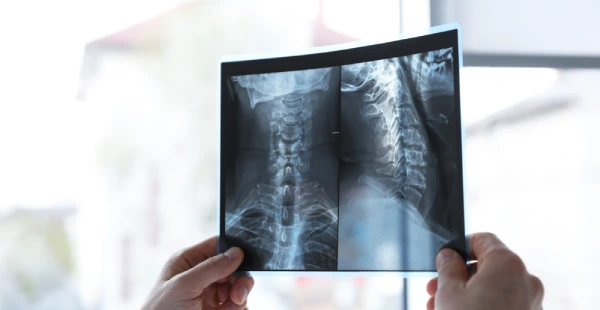
Hyaluronidase Injection Treatment in London

Home / Services / Injections / Hyaluronidase Injection
Hyaluronidase is an enzyme injection used to break down excess scar tissue (adhesions) in the spine. It is helpful when scar tissue causes persistent discomfort after surgery.

Hyaluronidase injection provides targeted relief. This specialised treatment relieves nerve pressure and improves mobility.

Dr Purnajyoti Banerjee offers consultant-led care, precise diagnosis, and effective solutions. It is used in cases of epidural fibrosis after spinal surgery and aims to reduce restrictions without further operations.
Targeted Hyaluronidase Injection in London

Targeted Hyaluronidase Injection in London

A hyaluronidase injection for back pain is an injection to break down scar tissue spine. It improves the spread and effectiveness of other injected medications by dissolving adhesions.

It is considered when standard epidural injections have not provided relief. This hyaluronidase for failed epidural injection is used alongside steroid and local anaesthetic injections.

What To Expect?

I
Patients with persistent nerve pain despite previous spinal injections benefit most.
I
This addresses lower back or leg pain caused by nerve entrapment.

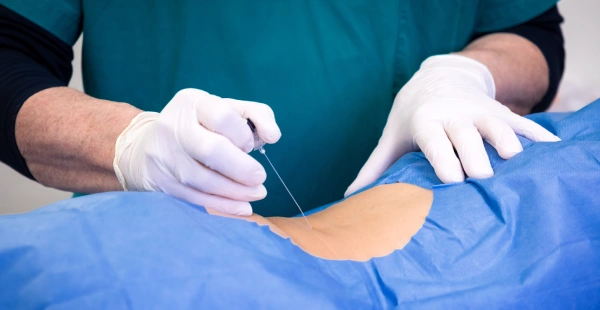
The procedure is a day-case procedure performed in a controlled clinical environment. Patients return home shortly afterwards.

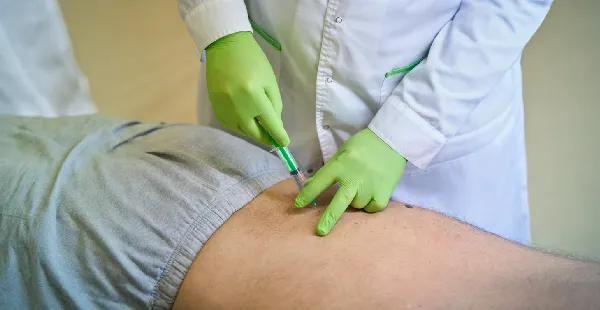
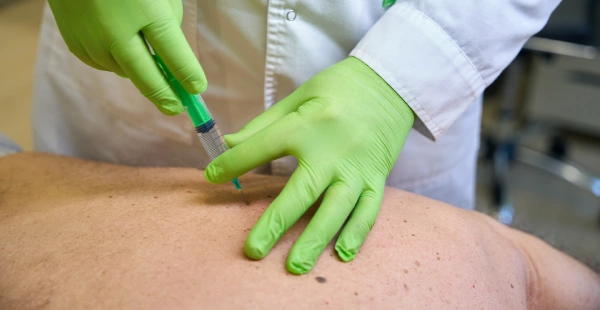
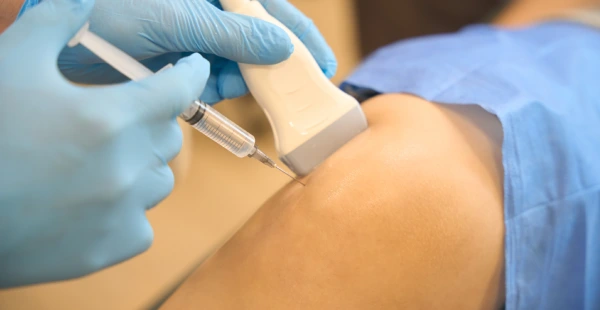
Dr Purnajyoti Banerjee performs a hyaluronidase epidural injection, an image-guided injection for precise placement in the epidural space.

Who this treatment is designed for
A hyaluronidase injection helps people with ongoing spinal discomfort that affects daily life and has not responded to basic treatments.
Who this treatment is designed for

It is particularly appropriate for:

I
Persistent back stiffness after surgery
I
Chronic lower back pain with nerve involvement
I
Pain increased with movement or standing
I
Difficulty with daily activities due to restrictions
I
Cases needing to confirm scar tissue as a pain source
It often follows a post-surgical spine scar tissue injection for those with prior operations. After evaluation, Dr Purnajyoti Banerjee customises the plan to fit individual conditions.

What benefits do patients notice

Reduced pain for better daily movement
Easier sitting and standing
Improved spinal flexibility
Less need for ongoing pain relief
Enhanced response to physical therapy

Recovery and risk considerations

Patients rest briefly after the injection and head home the same day. Some feel mild discomfort for a short time. Light activity is fine, but avoid strenuous tasks initially.

Risks are low with expert care.

Temporary soreness
Minor bruising
Brief numbness may occur
Serious issues such as infection are uncommon due to sterile procedures and guidance. Further options, like repeat treatments, can be discussed if needed.

Procedure Overview

Element Details
Setting Specialist outpatient spine clinic
Duration Typically 20–30 minutes
Numbing method Local anaesthetic applied
Imaging Image-guided for accuracy
Discharge Same-day return home

Restore Spinal Movement With Expert Care

Scar tissue should not limit your life. A hyaluronidase injection helps restore ease and comfort during daily activities.

Dr Purnajyoti Banerjee, an AOSpine-accredited spine surgeon with 7 years of experience, has performed more than 1,000 spinal injections.

Frequently Asked Questions

What does a hyaluronidase injection treat?

It degrades scar tissue in the spine, causing postoperative nerve pain. The injection dissolves adhesions to ease pressure and improve medication effectiveness.

How soon does relief start?

Many notice improvement in days. Full benefits may take one to two weeks as scar tissue reduces and inflammation settles.

Is the procedure uncomfortable?

The site is numbed first to reduce any pain. Patients often feel just mild pressure or brief soreness afterwards.

Is the procedure safe?

When performed by an experienced spine specialist using imaging guidance, the procedure is considered safe, and complications are uncommon.

What if pain comes back?

A follow-up check identifies causes. Additional injections or alternative options may be recommended.

Other Injections