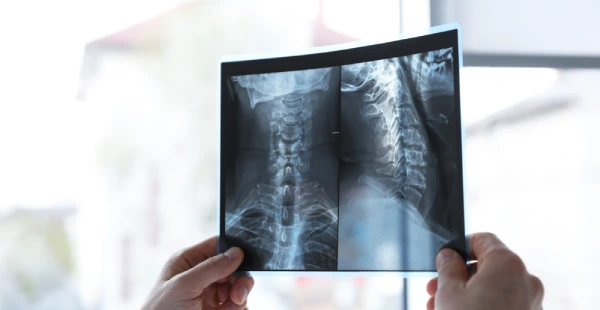
Facet Joint Injection Treatment in London
A specialist-led cortisone injection targets these joints to calm irritation and restore controlled spinal movement.
Dr Purnajyoti Banerjee offers consultant-delivered care focused on accurate diagnosis and precise treatment. This injection addresses facet joint arthritis or wear and tear (degenerative changes) and is designed to reduce inflammation without surgery.

Targeted Facet Joint Injection in London
It is a diagnostic and therapeutic injection to confirm the pain source while providing relief.
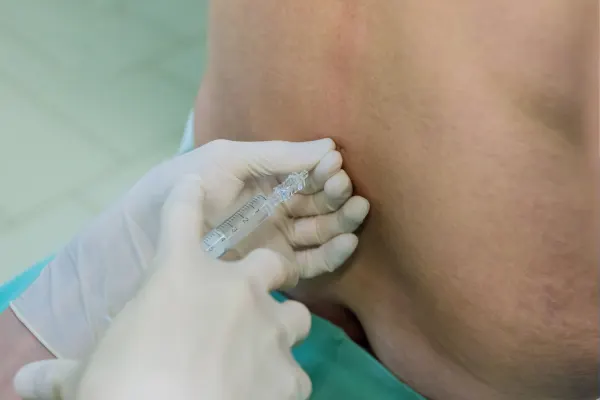
Dr Purnajyoti Banerjee performs a spinal facet joint injection using fluoroscopy (X-ray) or CT-guided injection for precise placement. The procedure is a day-case procedure performed under sterile conditions, and patients return home shortly afterwards.
Who this treatment is designed for
It is particularly appropriate for:
Practical benefits patients notice
Recovery and risk considerations
Risks are uncommon when performed by a spine specialist. Possible effects include temporary pain flare, bruising at the injection site, or short-term numbness. Infection and bleeding are rare due to sterile technique and imaging guidance.
Treatment may be followed by medial branch blocks or radiofrequency treatment if longer-term control is required.
Procedure Overview
| Element | Details |
|---|---|
| Setting | Specialist outpatient spine clinic |
| Duration | Usually 15–25 minutes |
| Numbing method | Local anaesthetic used |
| Imaging | X-ray guided facet joint injection |
| Discharge | Same-day return home |
Restore Spinal Movement With Expert Care
Frequently Asked Questions
What does a facet joint injection treat?
How soon does pain relief begin?
Is the procedure painful?
How long do results last?
What happens if pain returns?
Other Injections
Caudal Epidural Injection
Cervical Nerve Root Block Injection
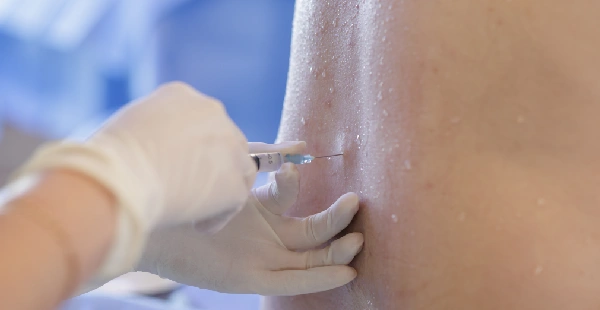
Coccyx Injection

Cortisone Injection

Hyaluronidase Injection
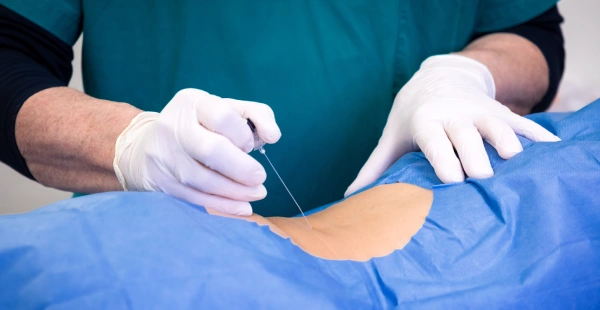
Image Guided Spinal Injection
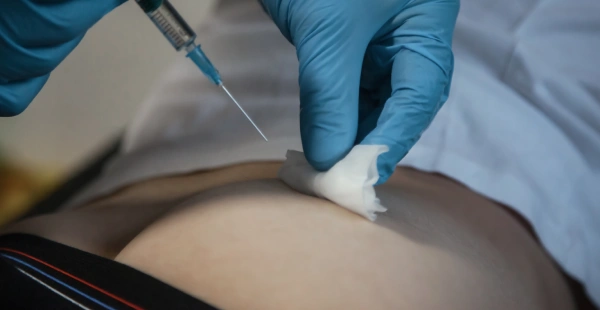
Back Pain Injection
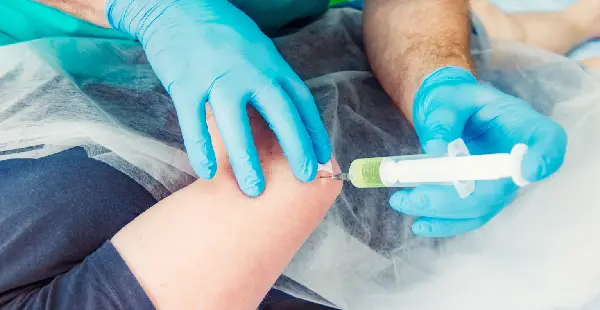
Tendonitis Injection

Medial Branch Block Injection
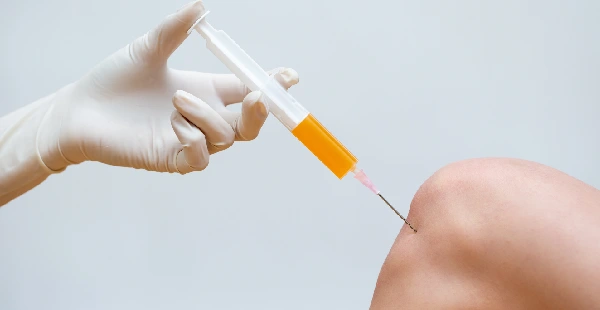
Platelet Rich Plasma Injection
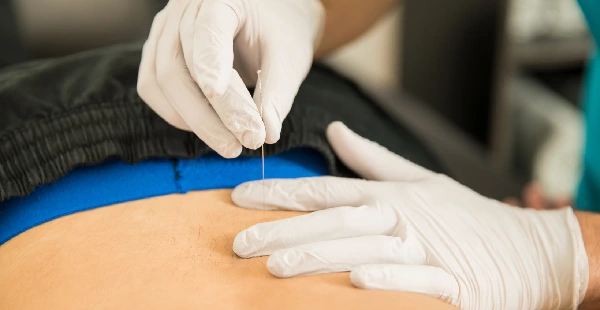
Spinal Nerve Root Block Injection
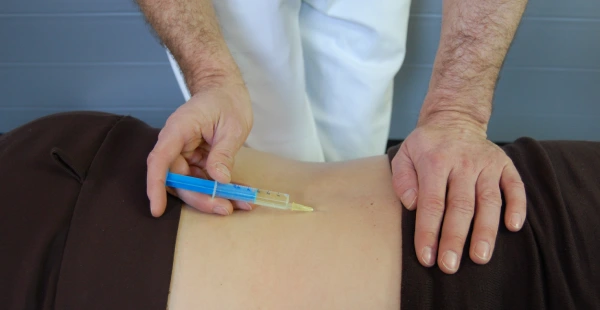
Transforaminal Epidural Injection

Trigger Point Injection
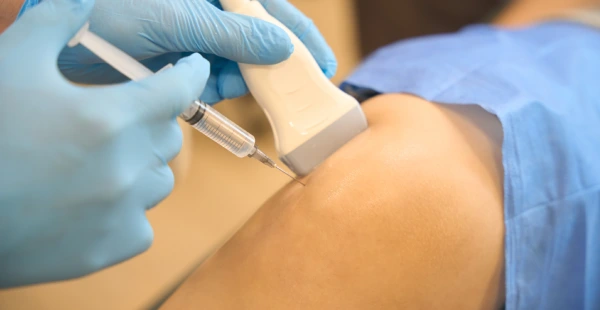
Ultrasound Guided Injection