Keyhole Spine Surgery in London
Dr Purnajyoti Banerjee, recognised as one of the best spinal surgeons in London, specialises in minimally invasive spine surgery techniques that allow faster recovery and less disruption to your daily life.

What Is Keyhole Spine Surgery?
The procedure utilises endoscopic techniques, including a camera and specialised instruments, to perform precise work through a small opening. Endoscopic spine surgery is particularly effective for conditions where nerve compression causes debilitating symptoms.
When Is Keyhole Spine Surgery Recommended?
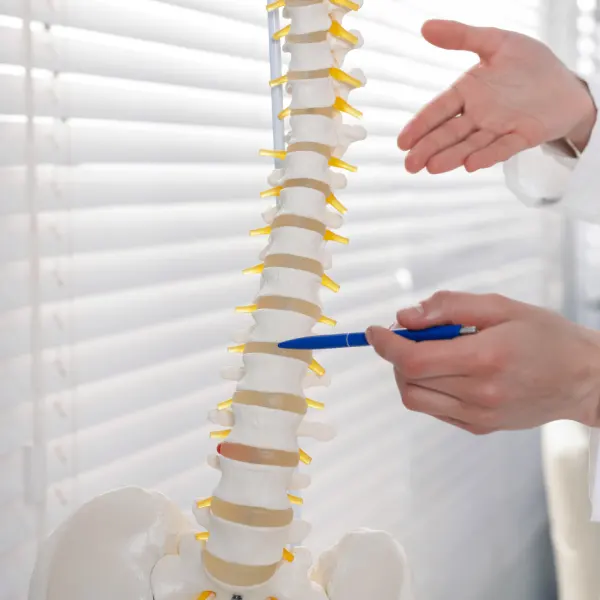
Ideal Candidate Criteria
Conditions Treated with Minimally Invasive Techniques
Herniated Disc and Sciatica
A microdiscectomy to remove the disc fragment pressing on the nerve relieves compression whilst preserving the healthy portion of the disc.
Spinal Stenosis
This spinal decompression surgery (keyhole) removes bone spurs or thickened ligament causing narrowing, providing relief from leg pain, cramping, or walking difficulties.
Keyhole vs Traditional Open Surgery
| Aspect | Keyhole Surgery | Traditional Open Surgery |
|---|---|---|
| Incision Size | 2-3cm | 8-10cm |
| Posterior | Back of neck | Certain deformities |
| Hospital Stay | Same day or 1 night | 2-3 nights typically |
| Recovery Time | 2-4 weeks | 6-12 weeks |
| Pain Medication | Less required | Higher doses needed |
What to Expect: Recovery Timeline
Healing Timeline
- Week 1-2: Walking encouraged; avoid bending, lifting, or twisting; most pain medication tapered off
- Week 2-4: Return to desk work possible; light household tasks resumed; driving when comfortable (usually 1-2 weeks)
- Week 4-8: Physical work gradually resumed; physiotherapy intensified; normal daily activities restored
- Week 8-12: Return to sports and vigorous activities; full recovery for most patients
The minimally invasive nature means significantly faster rehabilitation compared to traditional techniques.
Benefits of Keyhole Spine Surgery
Seeking a Spine Care Surgeon in London
Many locals trust him and see him as one of the best spinal surgeons in London, offering clear planning, evidence-based decisions, and personalised surgical care focused on long-term results.
Frequently Asked Questions
How painful is keyhole spine surgery compared to traditional open procedures?
Can all spine conditions be treated with minimally invasive techniques?
What is the success rate for keyhole discectomy in relieving sciatica?
Will patients need physiotherapy after minimally invasive spine surgery?
How quickly can patients return to sports or gym activities?
Other’s Treatment
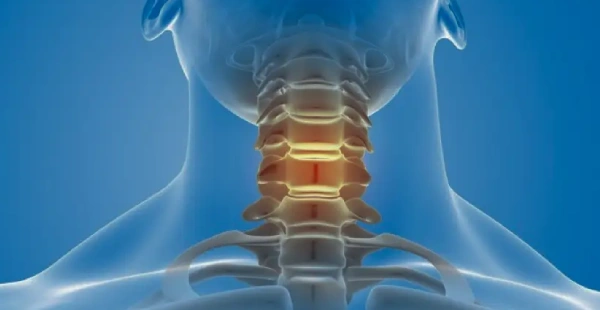
Cervical Disc Replacement Surgery
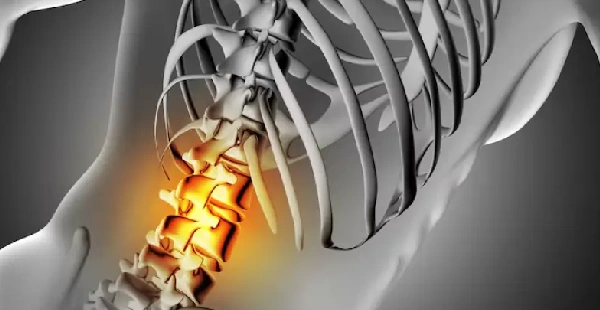
Cervical Fusion Surgery
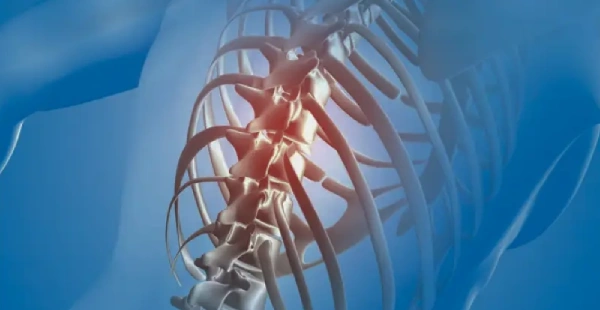
Kyphoplasty Surgery
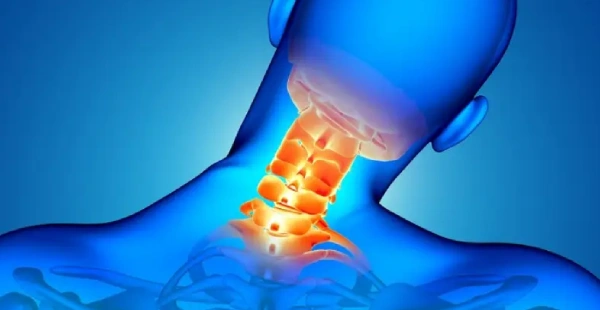
Lumbar Fusion Surgery

Spinal Decompression Surgery

Spinal Disc Surgery

Frozen Shoulder Manipulation

Orthopedic Injuries
Radio Frequency Ablation
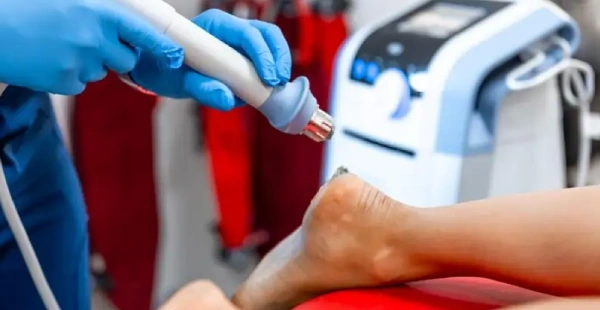
Shockwave Therapy
Sports Injuries
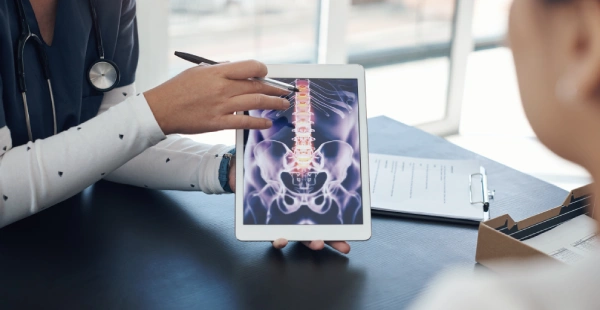
Spinal Stenosis

Slipped Disc