
Cervical Fusion Surgery in London
Home / Services / Treatments / Cervical Fusion Surgery
When neck problems cause persistent pain, numbness, or weakness that doesn't respond to conservative treatment, cervical fusion surgery in London may be necessary to relieve pressure on spinal nerves and restore stability.
Dr Purnajyoti Banerjee performs this surgical procedure to stabilise the cervical spine in patients with debilitating symptoms that affect daily life.

What Is Cervical Spine Fusion Surgery?
Cervical spine fusion surgery involves the removal of a damaged disc or bone compressing spinal nerves, followed by the fusion of two or more vertebrae using bone graft and fixation. The procedure creates a solid bridge between vertebrae, eliminating painful motion and protecting the spinal cord and nerve roots.
This surgery for cervical radiculopathy addresses conditions where nerve compression causes radiating arm pain, whilst also treating myelopathy—spinal cord compression that may affect hand coordination, walking, or bladder function.
The operation is performed under general anaesthetic in a specialist surgical setting, with Dr Purnajyoti Banerjee utilising advanced techniques.
When Is Neck Fusion Surgery Recommended?
Neck fusion surgery is considered when non-surgical treatments have failed to provide adequate relief.
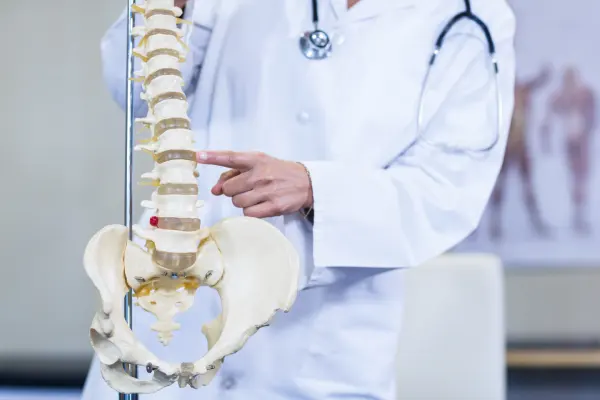
Ideal Candidates For Cervical Fusion Surgery
It's typically recommended for patients experiencing neck pain with arm pain, numbness, or weakness that significantly affects quality of life. Surgery is considered for patients whose symptoms are driven by confirmed structural nerve compression.
Persistent pain despite treatment
Nerve compression seen on imaging
Progressive arm weakness
Pain limiting daily activity
Failed conservative care
Common Conditions Treated
Cervical Disc Problems and Nerve Compression
Procedures treat cervical radiculopathy caused by disc herniation, degenerative disc disease, or cervical spondylosis pressing on spinal nerves. Surgery removes the structure compressing the nerve while stabilising the spine.
Relieves arm pain and numbness
Restores nerve function
Spinal Cord Compression and Structural Damage
Surgery is used for cervical myelopathy, spinal stenosis, traumatic fractures, tumours, or infections affecting vertebral stability. The procedure decompresses the spinal cord and reinforces the spinal structure.
Protects spinal cord function
Improves balance and coordination
The Surgical Approach
| Approach | Access Point | Best For |
|---|---|---|
| Anterior (ACDF) | Front of neck | Most common cases |
| Posterior | Back of neck | Certain deformities |
| Combined | Both approaches | Complex cases |
The anterior approach—through a small incision at the front of the neck—is most frequently used for single or multi-level disc problems. Dr Purnajyoti Banerjee removes the damaged disc, decompresses the nerves, and places a bone graft (from your own body, donor bone, or synthetic material) between the vertebrae. A metal plate and screws hold everything in position whilst fusion occurs.
What to Expect: Recovery Process
Hospital Stay and Early Recovery
- Hospital stay: Typically 1-2 nights
- Neck collar: May be worn for 4-6 weeks for support
- Pain management: Controlled with prescribed medication
- Mobility: Walking is encouraged within 24 hours
Timeline for Healing
- Weeks 1-2: Rest at home; gentle daily activities only
- Weeks 4-6: Return to light work and driving (if comfortable)
- Weeks 6-12: Gradual increase in physical activities
- Months 3-6: Bone fusion solidifies; most restrictions lift
- Months 6-12: Complete fusion visible on X-rays
Post-operative rehabilitation to restore strength and movement is essential. Physiotherapy begins once initial healing allows, typically around 6 weeks post-surgery.
Benefits Of Cervical Fusion Surgery
Is Cervical Fusion Right for You?
Cervical fusion surgery is recommended only after careful assessment by Dr Purnajyoti Banerjee. Many patients improve with non-surgical care, but progressing neurological symptoms or severe disability may require surgery for lasting relief.
Frequently Asked Questions
How long does cervical spine fusion surgery typically take to perform?
The procedure typically takes 2-3 hours, although complex, multilevel cases may require additional time for optimal results.
Will patients experience complete pain relief after neck fusion surgery?
Most patients report significant improvement in arm pain and numbness; neck discomfort typically decreases but may not resolve completely.
When can patients return to work following cervical disc fusion surgery?
Desk-based work typically resumes within 4-6 weeks; physical labour typically requires 3-4 months before the safe resumption of duties.
Does fusion increase the risk of problems at adjacent spine levels?
Adjacent segment degeneration can occur over years, though not all patients experience this; regular follow-up monitoring is important.
Are there alternatives to cervical fusion for treating these conditions?
Disc replacement preserves motion in suitable candidates; non-surgical options include injections, physiotherapy, and pain management when appropriate for the condition.
Other Treatments
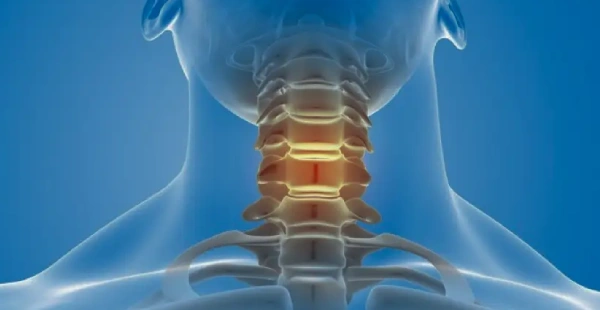
Cervical Disc Replacement Surgery
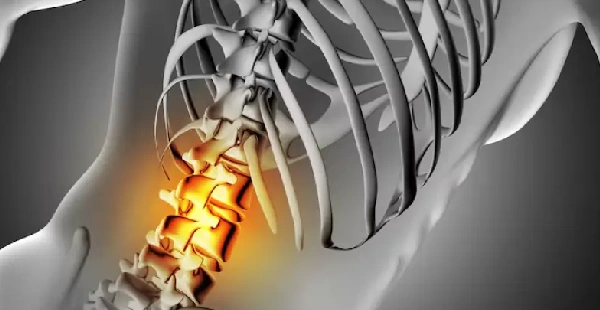
Cervical Fusion Surgery
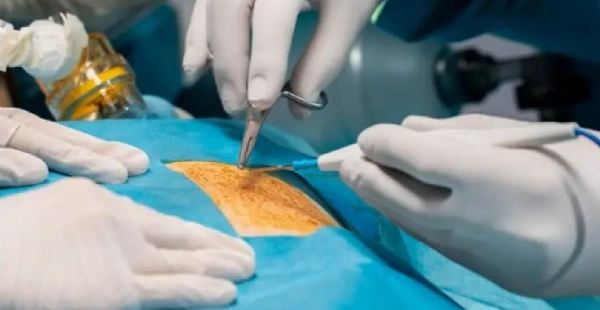
Keyhole Spine Surgery
Kyphoplasty Surgery
Lumbar Fusion Surgery

Spinal Decompression Surgery

Spinal Disc Surgery

Frozen Shoulder Manipulation

Orthopaedic Injuries
Radio Frequency Ablation

Shockwave Therapy

Sports Injuries
Spinal Stenosis

Slipped Disc
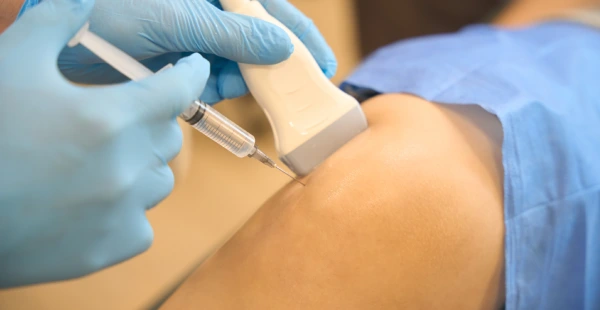
Ultrasound Guided Injection