Slipped Disc Treatment in London
Dr Purnajyoti Banerjee provides comprehensive care for this common condition, with most cases improving without surgery through evidence-based conservative management.
What Is Slipped Disc Treatment in London?
Dr Purnajyoti Banerjee is a specialist in the diagnosis and management of this condition. The herniation is often caused by disc degeneration or sudden strain, resulting in numbness, tingling, or weakness in the limbs.
Treatment focused on relieving nerve pain and restoring function forms the cornerstone of care, with physiotherapy and activity modification as first-line treatment for most patients.
When Is Slipped Disc Treatment Recommended?
Ideal Candidates For Slipped Disc Treatment
Patients are considered suitable when nerve compression symptoms persist despite rest, medication, and physiotherapy. A clinical and imaging assessment confirms a slipped disc that is consistent with the pattern of pain.
Failure of conservative treatment over several weeks
Common Conditions Treated
Lumbar Disc Conditions and Sciatica
Cervical Disc Disorders
The Slipped Disc Treatment Process
| Treatment Type | Options Available |
|---|---|
| Physiotherapy | Core strengthening, flexibility exercises, posture correction |
| Injections | Image-guided injections to reduce nerve inflammation |
| Medication | Pain relief and anti-inflammatories |
| Activity Modification | Ergonomic advice, movement education |
| Surgery | Surgery is considered only for severe or progressive symptoms |
Recovery and Results
Recovery Timeline
- Non-surgical treatment: Strength returns over 6–12 weeks with physiotherapy
- Post-injection relief: Relief may begin within days to weeks
- Post-surgical recovery: Early walking, staged activity for 6–12 weeks
- Months 3-6: Recovery peaks for most patients
Expected Outcomes
- Most patients achieve significant pain reduction without surgery
- Conservative treatments are effective for mild to moderate cases
- Injections provide targeted relief lasting weeks to months
- Surgical patients experience substantial improvement in nerve symptoms
- Improved quality of life and return to normal activities
Results vary with symptom severity, duration, and patient adherence to rehabilitation protocols.
Benefits of Private Slipped Disc Treatment
Is Slipped Disc Treatment Right for You?
Seek slipped disc treatment in London if you experience persistent radiating pain down arms or legs, numbness or weakness affecting daily activities, symptoms worsening despite rest, or pain not adequately controlled with basic medication. Dr Purnajyoti Banerjee will thoroughly assess your symptoms, review imaging studies, and discuss whether conservative management, interventional procedures, or surgical treatment is most appropriate for your individual condition.
Frequently Asked Questions
How can a slipped disc be distinguished from muscle strain?
Is surgery always required?
How long does recovery take?
Can a slipped disc fully heal?
What supports recovery at home?
Other Treatments
Cervical Disc Replacement Surgery
Cervical Fusion Surgery
Keyhole Spine Surgery
Kyphoplasty Surgery
Lumbar Fusion Surgery

Spinal Decompression Surgery
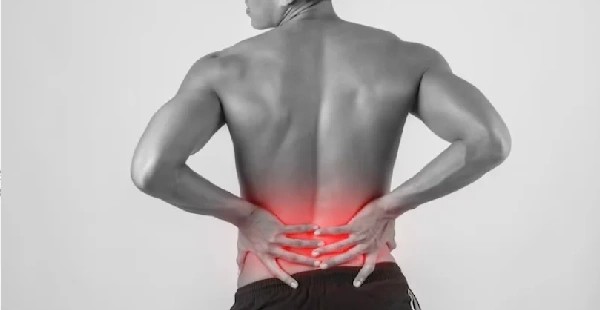
Spinal Disc Surgery

Frozen Shoulder Manipulation

Orthopedic Injuries
Radio Frequency Ablation
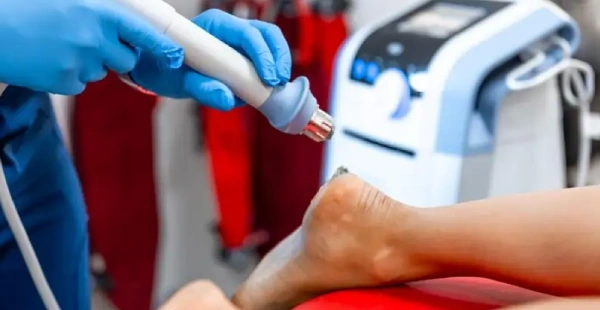
Shockwave Therapy
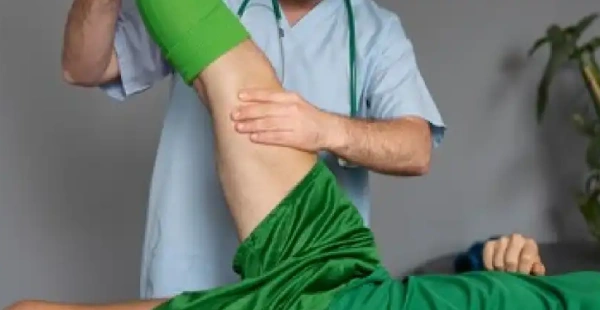
Sports Injuries
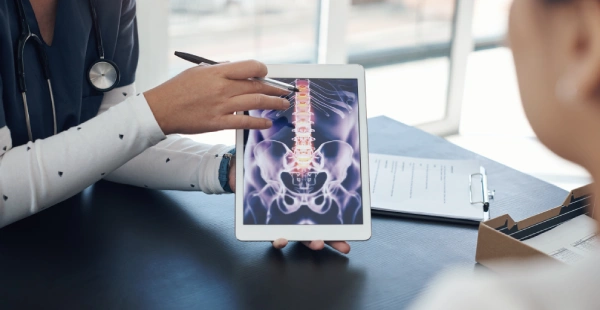
Spinal Stenosis