Medial Branch Block Injection Treatment in London

Home / Services / Injections / Medial Branch Block Injection
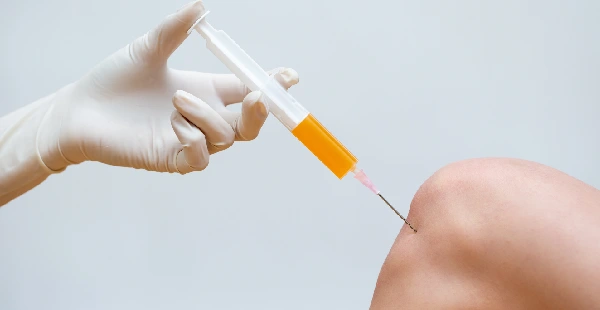
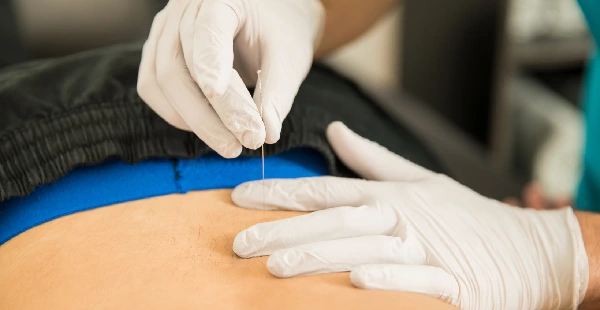
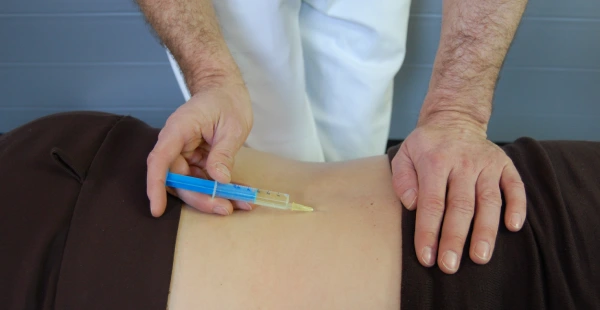
A medial branch block injection in London is a diagnostic procedure used to determine whether facet joints are the source of pain in the neck or lower back. Local anaesthetic is placed around the medial branch nerves that carry pain signals from these joints. Temporary pain relief after the injection helps identify the exact structure responsible for symptoms.

It precisely targets the small medial branch nerves that supply the facet joints to uncover whether they are truly causing your pain.

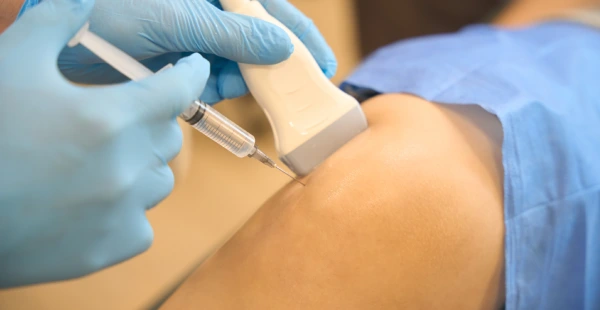
Dr Purnajyoti Banerjee performs the procedure using image guidance to ensure accurate placement and safe delivery.

Targeted Medial Branch Block Injection in London

Targeted Medial Branch Block Injection in London

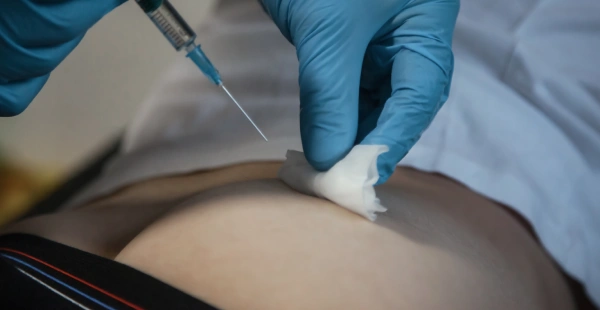
A medial branch nerve block (also called a facet joint nerve block) involves a local anaesthetic injected near the medial branch nerves.

It delivers short-acting pain relief used for diagnostic purposes and is a diagnostic medial branch block to confirm if facet joints are causing your symptoms. Patients often report neck or lower back pain that is worse with movement or extension.

What To Expect?

I
You feel genuine hope when pain eases during daily activities.
I
This pinpoints whether the facet joints are truly responsible.

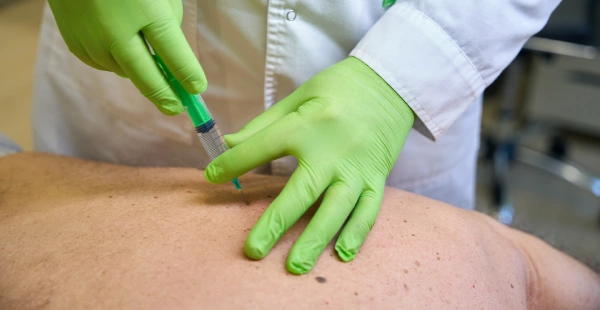
Dr Purnajyoti Banerjee performs an image-guided injection using X-ray (fluoroscopy) with utmost care.

I
It may be a lumbar medial branch block or cervical medial branch block, depending on your symptoms.
I
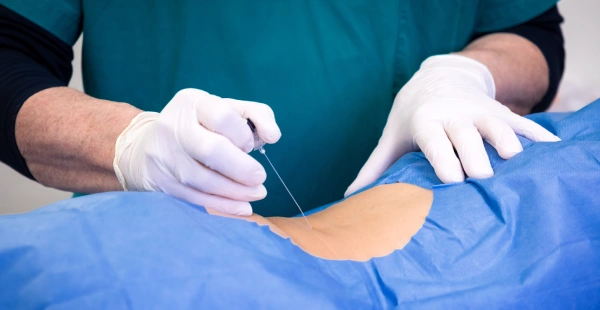
The procedure is a day-case procedure performed under sterile conditions.
You return home the same day, often with clearer answers.

Who this treatment is designed for

A medial branch block injection is for those whose back or neck pain has stolen joy from simple movements and has resisted rest, therapy, or tablets.
Who this treatment is designed for

It is particularly appropriate for:

I
Aching that intensifies with twisting or arching
I
Stiffness that makes mornings or long sits unbearable
I
Pain is focused in the spine without radiating further
I
Frustration after treatments that haven’t helped
I
Desire for certainty before committing to bigger steps
Temporary pain relief used to guide further treatment brings real peace of mind.

What Benefits Do Patients Notice

Moments of real freedom from constant ache
Confidence that treatment will target the right place
Reduced fear of unnecessary procedures
Clearer roadmap toward longer-term comfort
Helps avoid unnecessary or ineffective treatments

Recovery and risk considerations

You rest briefly in comfort and head home soon after. Mild soreness at the site may last a few hours. Normal light activity is encouraged right away.

Risks are low with expert care

Temporary flare of discomfort
Small bruise
Brief numbness

This safe step is often performed before radiofrequency ablation (RFA) for lasting relief.

Procedure Overview

Element Details
Setting Specialist outpatient spine clinic
Duration Usually 15–25 minutes
Numbing method Local anaesthetic used
Imaging X-ray (fluoroscopy) guidance
Discharge Same-day return home

Restore Spinal Movement With Expert Care

Persistent spinal pain requires accurate diagnosis, not assumption. A medial branch block injection helps confirm the pain source and supports targeted treatment decisions.

With more than two decades of spinal practice, Dr Purnajyoti Banerjee specialises in precise, image-guided injection therapy.

Frequently Asked Questions

What does a medial branch block do?

It temporarily numbs the small nerves to the facet joints. If pain resolves, it confirms that the joints are the source and guides subsequent steps.

How soon is relief felt?

Pain relief often starts within minutes and lasts a few hours to a day. This brief window helps confirm the diagnosis.

Is the injection painful?

The skin is numbed first. Most patients feel only brief pressure or mild discomfort during the quick procedure.

How long does the effect last?

The anaesthetic provides temporary relief (hours to a day). It’s diagnostic, not permanent, but points to effective long-term options.

What happens next if it works?

Positive results often lead to radiofrequency ablation for longer relief. Dr Banerjee discusses the best plan based on your response.

Other Injections