Lumbar Fusion Surgery in London
Dr Purnajyoti Banerjee specialises in this surgical procedure to stabilise the lower spine for carefully selected patients whose quality of life is significantly impacted by spinal conditions.
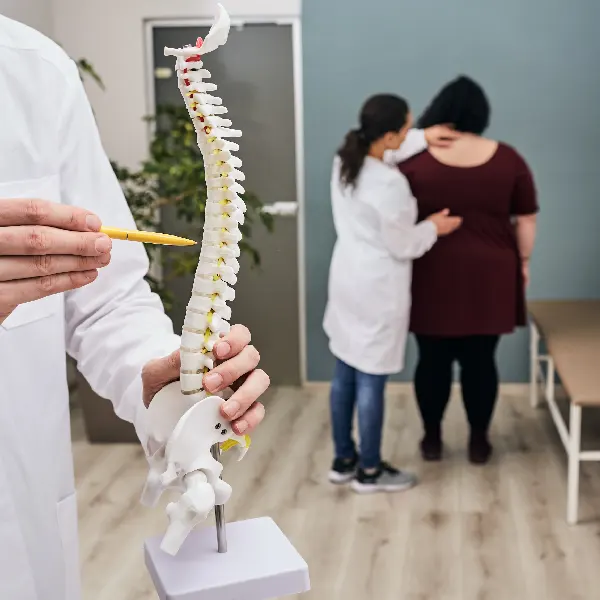
What Is Lumbar Spine Fusion?
This surgery for lumbar instability aims to reduce pain by preventing abnormal spinal movement that may be causing nerve irritation, mechanical back pain, or progressive deformity.
When Is Lower Back Fusion Surgery Recommended?
Lower back fusion surgery is considered only after non-surgical treatments have failed to provide adequate relief. Careful patient selection is critical for good outcomes, and Dr Purnajyoti Banerjee conducts thorough assessments to determine if fusion is appropriate.
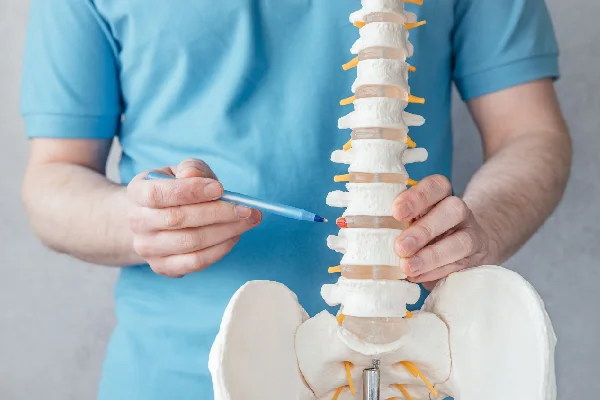
Common Conditions Treated
Lumbar Instability and Spondylolisthesis
Lumbar fusion surgery in London is used to treat spinal instability, spondylolisthesis, or severe degeneration where abnormal vertebral motion causes mechanical stress. Patients often develop chronic lower back pain with or without leg pain that limits daily activity.
Restores spinal stability
Advanced Lumbar Degeneration
Surgical Approaches
| Approach | Access Point | Best For | Recovery |
|---|---|---|---|
| PLIF | Posterior (back) | Most common cases | 8-12 weeks |
| TLIF | Posterior (side) | Single-level fusion | 8-12 weeks |
| ALIF | Anterior (abdomen) | Large disc restoration | 6-10 weeks |
Recovery Process
Post-Operative Rehabilitation
Recovery Timeline
- Weeks 1-2: Rest at home; gentle walking only; avoid bending, twisting, or lifting
- Weeks 2-6: Gradually increase walking distance; begin core strengthening exercises
- Weeks 6-12: Return to light work and driving; physiotherapy intensifies; normal daily activities resumed
- Months 3-6: Bone fusion solidifies on X-rays; physical work gradually resumes
- Months 6-12: Complete fusion confirmed; return to full activities, including manual work and sports
Benefits of Lumbar Fusion Surgery
Is Lumbar Fusion Surgery in London Right for You?
Frequently Asked Questions
How long does lumbar fusion surgery typically take to perform?
Will patients experience complete pain relief after lower back fusion surgery?
When can patients return to work following lumbar spine fusion?
Does fusion increase stress on adjacent spinal segments over time?
Are there alternatives to fusion for the treatment of lumbar instability?
Other Treatments
Cervical Disc Replacement Surgery
Cervical Fusion Surgery
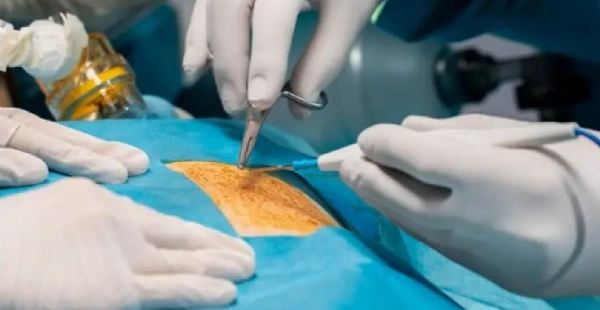
Keyhole Spine Surgery
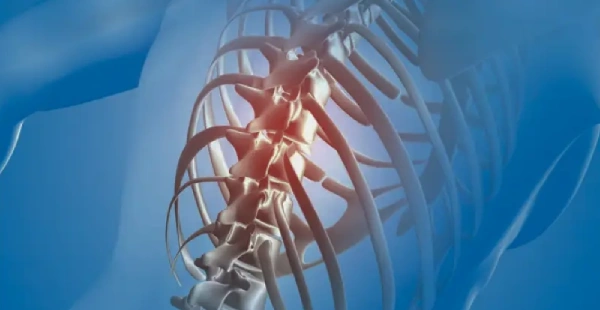
Kyphoplasty Surgery

Spinal Decompression Surgery

Spinal Disc Surgery

Frozen Shoulder Manipulation

Orthopedic Injuries

Radio Frequency Ablation

Shockwave Therapy
Sports Injuries
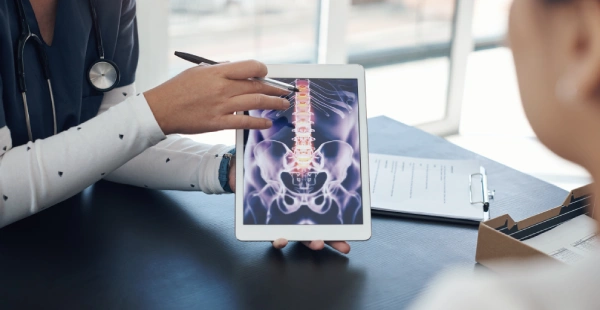
Spinal Stenosis

Slipped Disc