

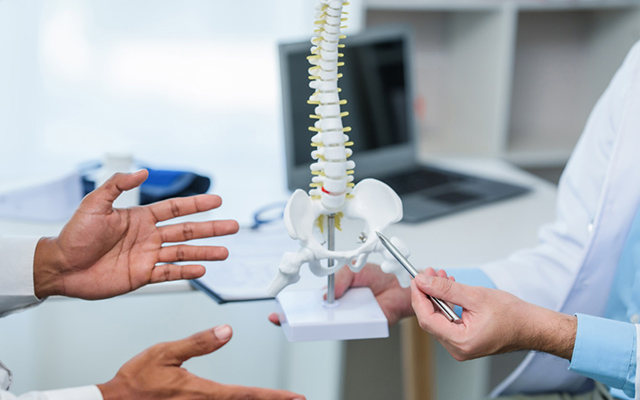
If you enjoy staying active, the idea of spinal surgery can feel unsettling for one simple reason—you don’t want to trade pain relief for stiffness. Many people with disc problems reach a point where physiotherapy, medication, and lifestyle changes stop working, but the thought of permanently fusing part of the spine feels like a compromise they’re not ready to make.
This is where disc replacement surgery has begun to change the conversation. Instead of locking spinal bones together, disc replacement focuses on relieving pain while preserving natural movement.
For patients who want to return to sports, exercise, or simply move without fear, Dr. Purnajyoti Banerjee offers disc replacement surgery in London.
What is disc replacement surgery?
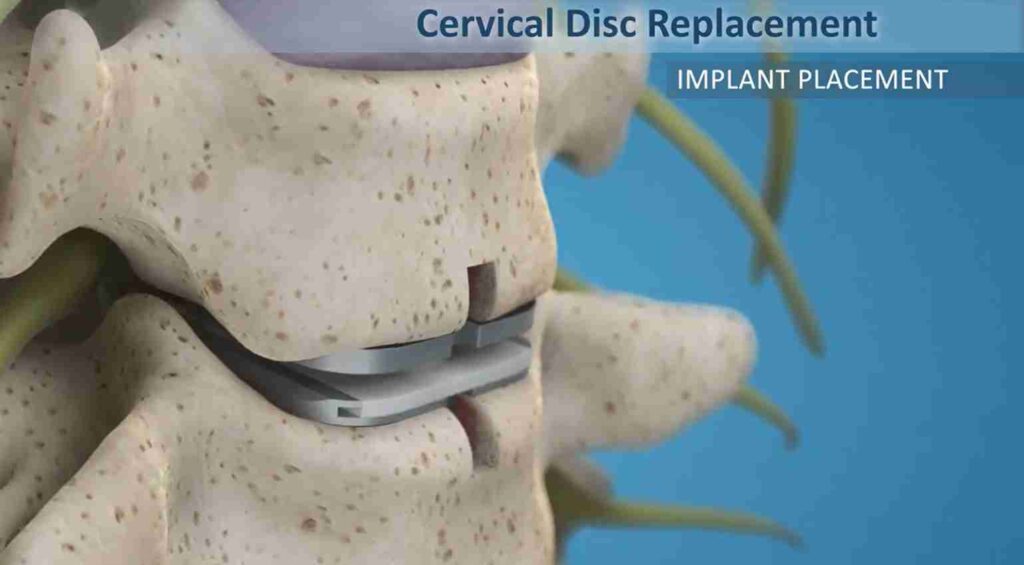
Disc replacement surgery involves removing a damaged spinal disc and replacing it with an artificial one. The goal is to restore disc height, reduce nerve irritation, and preserve natural movement.
Unlike fusion, this approach:
- Maintains motion at the treated level
- Reduces stiffness after surgery
- Mimics how a healthy disc normally works
This is why it is often described as artificial disc replacement/disc replacement surgery, rather than a stabilising procedure.
Why active patients think differently about spine surgery
People who stay active notice even small losses of flexibility. A fused spinal segment permanently removes motion, and that change is often felt during daily activities, sports, or exercise.
Active patients tend to prioritise:
- Natural movement
- Faster functional recovery
- Long-term spine flexibility
That mindset explains why the discussion around disc replacement vs fusion has shifted in recent years.
Disc replacement vs fusion: what’s the real difference?
Fusion and disc replacement both aim to relieve pain, but they do so in different ways.
| Feature | Disc Replacement | Fusion |
| Motion at the treated level | Preserved | Eliminated |
| Stress on nearby discs | Lower | Higher |
| Recovery focus | Movement + strength | Protection + healing |
| Long-term flexibility | Better maintained | Reduced |
Fusion can be highly effective, but it alters spinal mechanics. Disc replacement tries to work with those mechanics instead.
Why preserving motion matters more than people realise

When a spinal segment is fused, adjacent discs assume additional load. Over time, this can accelerate wear and tear at adjacent levels, a phenomenon known as adjacent segment disease after fusion / adjacent level surgery.
Studies suggest that motion-preserving techniques may reduce stress on neighbouring discs, which is especially relevant for younger or more active patients who expect decades of spinal use ahead.
This is why motion-preserving spine surgery / preserving neck motion has become such a strong focus in modern spine care.
Cervical disc replacement vs ACDF (Anterior Cervical Discectomy and Fusion): What research shows
In the cervical (neck) spine, multiple longer-term studies and meta-analyses show that cervical disc arthroplasty often matches or exceeds fusion in several outcomes:
- Disc replacement can yield neurological outcomes comparable to or better than ACDF and motion preservation comparable to or better than ACDF. (Source)
- Some studies report higher overall success and patient satisfaction with artificial disc devices than with fusion.
- In the long term, motion at the index level tends to be better maintained after disc replacement.
That means if you’re throwing your head to track a ball or twisting to check your blind side, cervical replacement could keep your motion closer to natural.
What about the lower back?
The same principles apply in the lumbar spine. Research comparing lumbar total disc replacement vs fusion shows similar or better outcomes for pain relief and function in carefully selected patients.
Long-term studies suggest that disc replacement can provide durable pain relief while maintaining motion, which explains why it appeals to people who want to remain physically active.
What about lower back disc replacement?
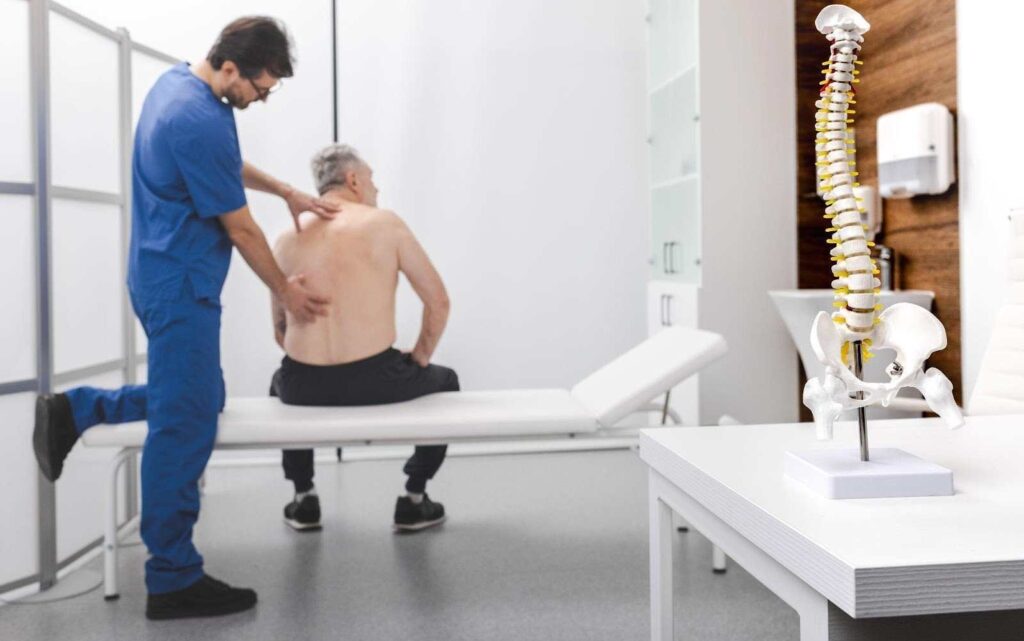
The lumbar spine tells a similar story. Evidence from long-term trials in lumbar total disc replacement shows:
- Patients report substantial improvements in pain and disability after disc replacement, with many reporting minimal or no pain at long-term follow-ups.
In one study:
- 52.3% of patients reported complete pain resolution, and
- 33.07% had only minimal pain at final follow-up. (Source)
Those are strong functional outcomes for people dealing with chronic back issues.
How does recovery compare with fusion?
One of the biggest practical differences patients notice is recovery. Disc replacement recovery time is often shorter because bones do not need to fuse together.
Many patients experience:
- Earlier mobilisation
- Faster return to work
- Earlier physiotherapy focused on movement
Fusion recovery is typically longer because the body must form solid bone across the vertebrae.
Can patients return to sports after disc replacement?
This is one of the most common questions surgeons hear. Evidence suggests that return to sport after cervical disc replacement is possible for many patients once healing is complete.
While timelines vary, patients undergoing disc replacement often resume activity sooner than fusion patients, especially when flexibility and range of motion are important.
That doesn’t mean reckless movement—but it does mean fewer long-term restrictions.
Is disc replacement a “new” or experimental surgery?
No. Disc replacement has been performed for decades and continues to evolve with better implant design and surgical technique.
Modern implants are designed to:
- Allow controlled motion
- Maintain alignment
- Reduce wear over time
Long-term follow-up studies support its safety and effectiveness in appropriately selected patients.
Why are more surgeons recommending disc replacement for active patients
Surgeons are seeing a pattern: active patients value motion and recover differently. Disc replacement aligns better with those expectations.
Key reasons include:
- Preservation of normal spine mechanics
- Lower stress on adjacent discs
- High patient satisfaction in selected cases
This is not about replacing fusion, but about choosing the right tool for the right patient.
Why disc replacement is gaining ground
Disc replacement reflects a shift in spine care—from simply relieving pain to preserving spinal motion. For active patients, that difference is huge. When the right candidate receives the right procedure, disc replacement can offer pain relief without sacrificing flexibility.
Fusion remains an excellent option for many conditions, but for patients who value motion and long-term activity, disc replacement has become a compelling choice grounded in solid clinical evidence.
For expert disc replacement surgery in London, connect with Dr Purnajyoti Banerjee at purnajyoti74@gmail.com
People Also Ask
1. Is disc replacement surgery better than spinal fusion for active people?
Disc replacement can be better for active people because it preserves spinal motion. Fusion removes movement at one level, which may feel restrictive during physical activity.
2. How long does a disc replacement last?
Modern artificial discs are designed to last many years, often over a decade or more. Long-term studies show good durability when the procedure is done in the right patient.
3. Can you return to sports after disc replacement surgery?
Many patients can return to sports after disc replacement once healing is complete. Timelines depend on the sport, fitness level, and surgeon guidance.
4. What is the recovery time after disc replacement surgery?
Most patients resume light activities within a few weeks and progress gradually. Full recovery and return to higher activity levels may take a few months.
5. Who is not a good candidate for disc replacement surgery?
Patients with severe arthritis, spinal instability, osteoporosis, or multiple diseased discs may not be suitable. Careful evaluation is essential before choosing this surgery.
6. Is disc replacement surgery safe?
Yes, disc replacement surgery is considered safe when performed in properly selected patients. Outcomes are comparable to, and sometimes better than, fusion in clinical studies.
7. What are the risks of disc replacement surgery compared to fusion?
Risks are similar to fusion, including infection or implant-related issues. Disc replacement may reduce long-term stress on nearby spinal levels compared to fusion.
8. Does disc replacement reduce stress on other spinal levels?
Yes, preserving motion at the treated level may reduce excess stress on adjacent discs. This can lower the risk of degeneration at nearby spinal segments over time.
9. Is cervical disc replacement better than ACDF?
Cervical disc replacement can preserve neck motion better than ACDF. Studies show similar pain relief with potential advantages in mobility and adjacent-level health.
10. How do I know if disc replacement or fusion is right for me?
The choice depends on your spine condition, lifestyle, and imaging findings. A spine specialist can determine which option offers the best long-term outcome for you.