

Back pain can bring life to a halt, and most people want relief without going through major surgery. That’s where keyhole back surgery comes in—an advanced, minimally invasive option you can explore with a spinal surgeon to understand whether it’s right for you.
This blog explains how keyhole back surgery works, why recovery is faster, which conditions it treats, what results you can expect, and how modern tools improve outcomes. You will learn whether this tiny-incision method is suitable for your spine condition and what to discuss with the surgeon before treatment.
Understanding Keyhole Back Surgery
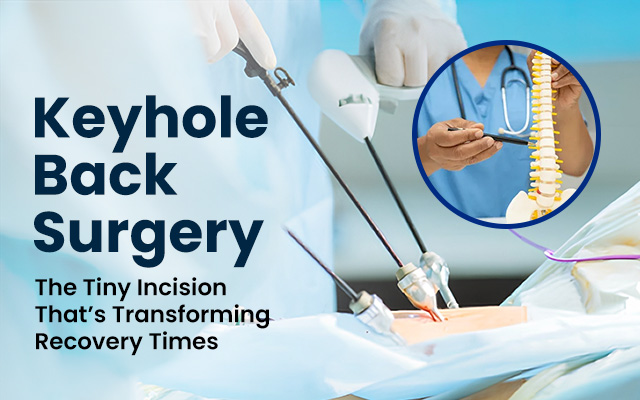
Keyhole back surgery uses a very small incision. Surgeons use a camera and narrow tools. They reach the spine without cutting muscles. This approach protects healthy tissues.
A spinal surgeon explains the full process. The doctor reviews scans. You learn which nerve or disc caused the pain. You understand the plan before treatment.
The tiny incision reduces trauma. It also reduces blood loss. Patients recover faster. They walk sooner. They return to routine life quickly.
Conditions That Keyhole Surgery Treats
Keyhole back surgery is used to treat many spine problems. Surgeons use it for:

• Herniated discs
• Nerve compression
• Sciatica flare
• Spinal stenosis
• Facet joint problems
• Small bone spurs
• Some deformities
A spinal surgeon checks your MRI to decide suitability. Some severe cases still need open surgery. But many people qualify for this tiny-cut method.
Benefits of Keyhole Back Surgery
The benefits are clear:
• Shorter healing time
• Less pain after surgery
• Less risk of infection
• Smaller scars
• Lower blood loss
• Faster return to work
• Better spine stability
Modern tools make the surgery precise. Surgeons see nerves clearly. They avoid damage. This improves long-term outcomes.
Why Minimally Invasive Keyhole Back Surgery is Preferred
Old spine surgeries needed wide openings. Surgeons cut muscles. They moved tissues. Recovery took weeks or months. Pain stayed longer.
Keyhole back surgery changes the experience. Surgeons avoid muscle cutting. They slide tools between tissues. Healing becomes smooth and predictable.
Women, seniors, and active workers benefit more. Less pain means better mobility. The body feels lighter during recovery.
How Recovery Improves With a Tiny Incision
Recovery is most affected by keyhole surgery. You move faster. You feel less soreness. You sleep better. You need less pain medicine.
Most people return to office work within two weeks. Many patients resume walking the next day. A spinal surgeon gives clear instructions for each stage.
The body feels stronger because muscles remain intact. Older adults experience better balance. Young adults regain full movement earlier.
Who is Suitable for Keyhole Back Surgery?
You may qualify if you have:
• Leg pain from nerve pressure
• A contained disc bulge
• Sciatica
• Mild spinal stenosis
• Chronic nerve irritation
The doctor checks your spine health. Scans decide the best approach. Severe instability may need open methods.
Is Keyhole Back Surgery Safe?
Yes. Surgeons use advanced guidance. Tools stay narrow. Imaging makes the process safe. The surgeon watches every step on a screen.
Keyhole methods reduce risk. They also reduce complications caused by older surgeries. People with diabetes or high blood pressure recover better with this approach.
How to Prepare for Keyhole Spine Surgery
Preparation includes:
• Basic blood tests
• Updated MRI scans
• Review of medicines
• Light meals before surgery
• Good hydration
• Comfortable post-op arrangements
The surgeon guides each step.
How Surgeons Perform Keyhole Back Surgery
The process stays quick. The surgeon uses a guided camera. A tiny tube reaches the spine. Tools glide through the tube. The doctor treats the nerve or disc.
The incision usually measures less than 1 inch. Muscles stay untouched. The tube protects tissues. After treatment, the doctor closes the tiny cut.
Most patients return home the same day. They walk a few hours after surgery.
What Results Can You Expect After Keyhole Back Surgery?
Patient’s experience:
• Quick relief from nerve pain
• Better leg strength
• Smooth walking pattern
• Less stiffness
• Improved posture
• Clear improvement in daily tasks
Results appear within days. Full recovery takes weeks. Many people notice long-term comfort.
Life After Keyhole Back Surgery
Life improves quickly. You move freely. You resume daily chores. You stand longer. You sleep better. You climb stairs normally. Your mood improves because pain reduces.
A structured exercise plan strengthens your spine. The surgeon also suggests posture habits to help protect the joints in the long term.
Keyhole Surgery vs Traditional Spine Surgery
Key differences include:
• Tiny incision vs large cut
• Minimal muscle disruption vs heavy muscle retraction
• Faster discharge vs long hospital stay
• Lower pain vs higher pain
• Smaller scar vs wide scar
• Cleaner recovery vs slow recovery
A spinal surgeon helps you compare both options.
When Keyhole Surgery May Not Work
Keyhole surgery may not suit:
• Severe deformity
• Large bone spurs
• Tumour growth
• Major spine collapse
Doctors guide you through safe alternatives.
Advances That Make Keyhole Surgery Better
New tools change spine care:
• High-resolution cameras
• Navigation systems
• Ultra-thin scopes
• Muscle-safe retractors
• Precision drills
• Laser tools
These tools improve safety. They also improve accuracy. Outcomes stay predictable.
A spinal surgeon uses these tools for modern treatment plans.
Future of Keyhole Spine Treatment
Future care becomes even less invasive. Surgeons explore robotics. They test smarter navigation. They plan new micro-tools. Patients will enjoy quicker recovery and even smaller incisions.
Medicine moves toward precision. Surgeons treat only the exact problem area. This reduces trauma and speeds healing.
Expert Guidance for the Best Treatment
Keyhole back surgery transforms spine care. The tiny incision changes recovery time, comfort, movement, and confidence. People return to life faster with less pain and fewer risks. This method gives results without the fear of major surgery.
If you want expert guidance, meet Dr Purnajyoti Banerjee, a skilled spinal surgeon in London. He offers clear advice, precise diagnosis, and modern surgical options for safe and effective spine relief. Book a consultation for comprehensive guidance.
For more information, reach out to the doctor at this email address: purnajyoti74@gmail.com
People Also Ask
1. Does keyhole spine surgery hurt?
Pain is usually minimal because the surgeon avoids cutting through major muscles. Most patients describe the discomfort as manageable and short-lived.
2. How long does keyhole back surgery take?
Most procedures finish within 1 to 2 hours. The exact time depends on the specific spine issue being treated.
3. Can you walk after keyhole back surgery?
Yes, most people can walk on the same day. Early movement actually helps with faster recovery.
4. Is keyhole back surgery safe for seniors?
Yes, seniors often recover well because the technique puts less strain on the tissues. It’s considered a safer alternative to open surgery for many older adults.
5. Does keyhole back surgery give long-term results?
Yes, many patients enjoy long-lasting relief and improved mobility. Long-term success also depends on proper rehabilitation and lifestyle habits.