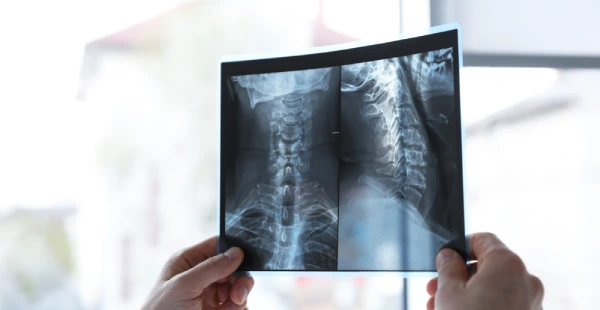
Platelet Rich Plasma (PRP) Injection Treatment in London
Platelet-rich plasma injection provides a natural approach that leverages the body’s own healing resources. An injection using a concentration of the patient’s own platelets is prepared from a small sample of the patient’s blood.
Platelets contain growth factors involved in tissue healing. This method is used for chronic tendon injuries and selected joint conditions.
Dr Purnajyoti Banerjee provides careful, evidence-based assessment and treatment. PRP treatment for tendon injury and PRP injection for joint pain may help stimulate healing rather than simply reduce inflammation.
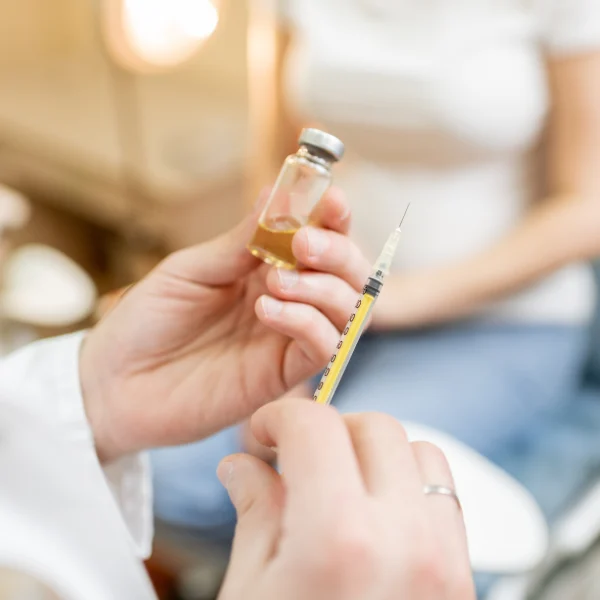
Targeted Platelet Rich Plasma Injection in London
PRP treatment for tendon injury is commonly used in tennis elbow, Achilles tendon, and patellar tendon injuries. PRP injection for joint pain may support recovery in selected cases.
What To Expect?
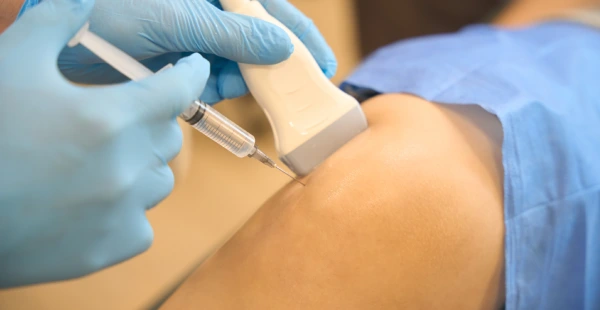
Dr Purnajyoti Banerjee performs an ultrasound-guided injection for accurate placement.
Who this treatment is designed for
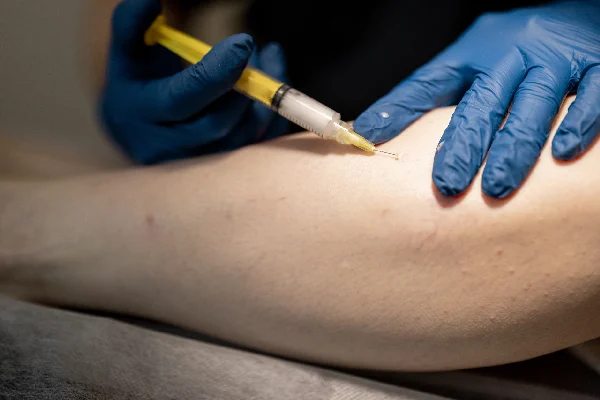
It is particularly appropriate for
How It Benefits Patients
Recovery and risk considerations
Risks are low with expert care
Procedure Overview
| Element | Details |
|---|---|
| Setting | Specialist outpatient clinic |
| Duration | Typically 30–45 minutes (including preparation) |
| Numbing method | Local anaesthetic applied |
| Imaging | Ultrasound guidance for precision |
| Discharge | Same-day return home |
Precision Care for Lasting, Pain-Free Movement
Treatment is performed using image-guided precision to deliver concentrated platelets exactly where tissue repair is needed. The goal is to stimulate the body’s natural healing response, reduce persistent inflammation, and restore functional movement.
Frequently Asked Questions
What is PRP injection used for?
How is PRP prepared?
When will I notice improvement?
Is the procedure painful?
How long do results last?
Other Injections
Caudal Epidural Injection
Cervical Nerve Root Block Injection
Coccyx Injection
Cortisone Injection
Facet Joint Injection
Hyaluronidase Injection
Image Guided Spinal Injection
Back Pain Injection
Tendonitis Injection
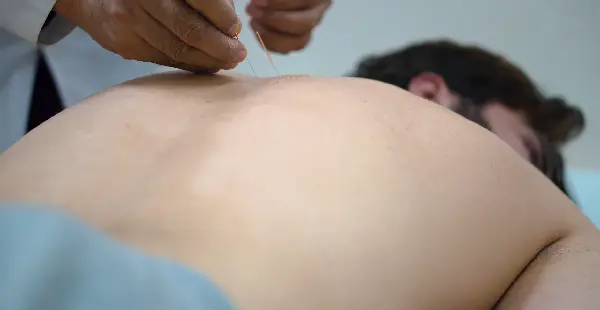
Medial Branch Block Injection
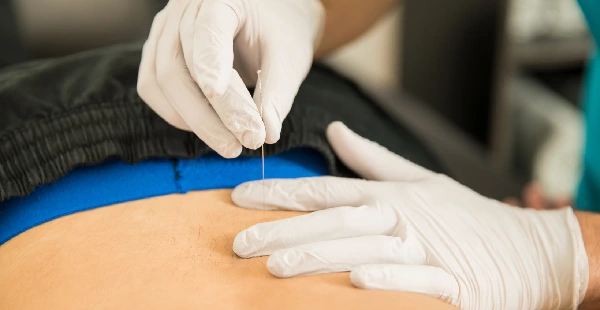
Spinal Nerve Root Block Injection
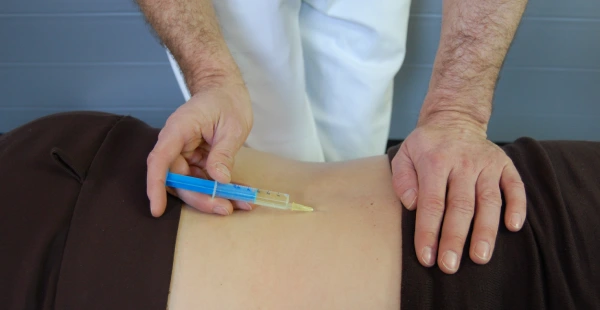
Transforaminal Epidural Injection
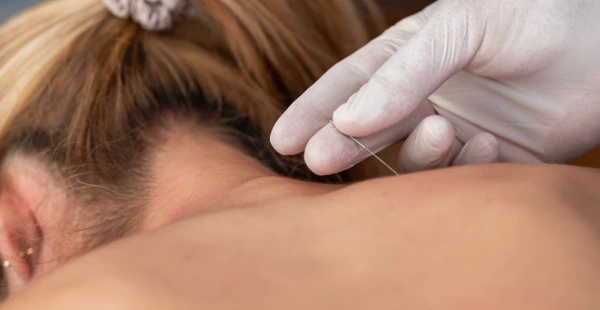
Trigger Point Injection
Ultrasound Guided Injection