Orthopaedic Injuries Treatment in London
Dr Purnajyoti Banerjee provides comprehensive orthopaedic injuries treatment in London, offering diagnosis and treatment of acute and chronic orthopaedic injuries through evidence-based approaches tailored to each patient’s needs.
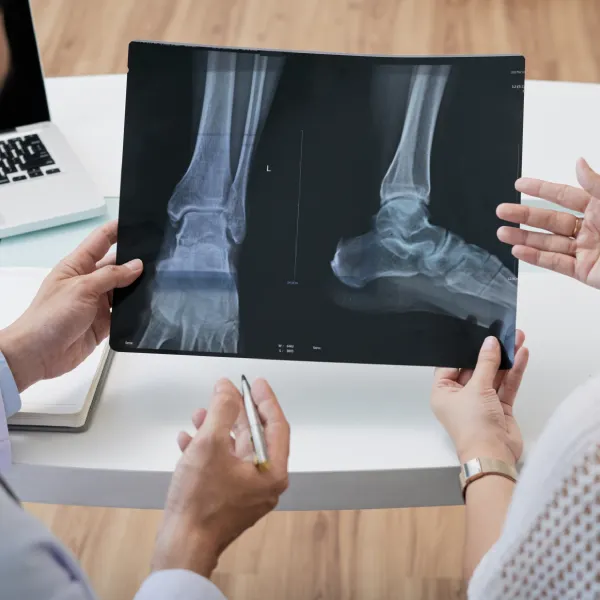
What Are Orthopaedic Injuries?
Common symptoms include pain, swelling, stiffness, or reduced movement after injury. Whether you’ve suffered a sudden acute injury or developed chronic pain from repetitive strain, orthopaedic injury treatment focuses on accurate diagnosis and effective management to restore function.
Types of Orthopaedic Injuries Treated
Acute Injuries
- Fractures and bone injuries
- Ligament sprains and tears
- Muscle strains and ruptures
- Joint dislocations
- Tendon injuries
Chronic and Overuse Injuries
- Tendinitis and tendinopathy
- Rotator cuff problems
- Tennis elbow and golfer’s elbow
- Stress fractures
- Chronic joint instability
When are Orthopaedic Injuries Treatment Recommended
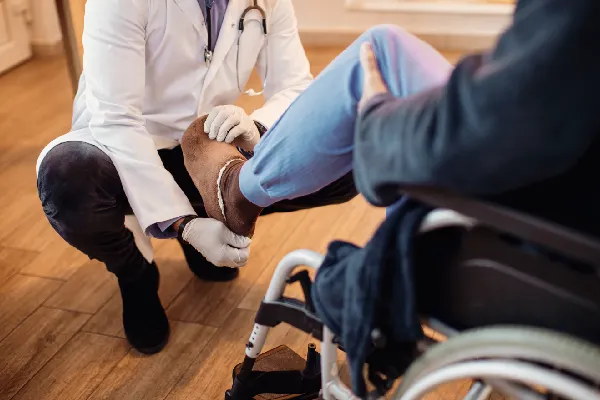
Comprehensive Assessment and Diagnosis
| Assessment Method | Purpose |
|---|---|
| Clinical examination | Assess pain, movement, stability |
| X-rays | Identify fractures, joint problems |
| MRI scans | Evaluate soft tissue injuries |
| Ultrasound | Assess tendons, ligaments, muscles |
| CT scans | Detailed bone imaging when needed |
Treatment Options
Non-Surgical Treatments
- Rest, ice, compression, elevation (RICE protocol)
- Physiotherapy and rehabilitation exercises
- Image-guided injections for pain relief and inflammation control
- Bracing or splinting for support
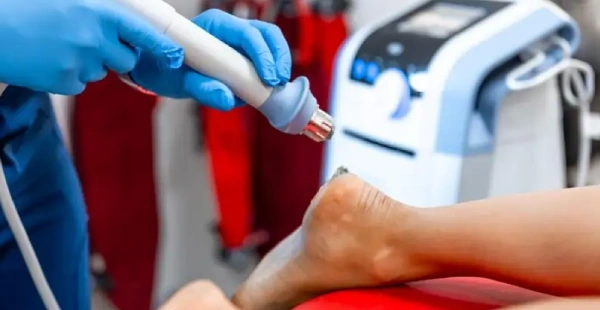
- Shockwave therapy for chronic tendon problems
Platelet-rich plasma (PRP) injections
Surgical Interventions
The Recovery Timeline
- Phase 1 (Protection): Initial healing; pain and swelling management; gentle movement
- Phase 2 (Restoration): Progressive strengthening; increasing range of motion; functional exercises
- Phase 3 (Return to Activity): Sport-specific training; building endurance; preventing re-injury
Why Choose a Private Orthopaedic Injury Specialist in London?
Taking the Next Step
Whether you’re dealing with a recent injury or struggling with chronic symptoms, Dr Purnajyoti Banerjee offers thorough evaluation, honest treatment recommendations, and support throughout your recovery journey.
Frequently Asked Questions
How soon should patients seek treatment after an orthopaedic injury?
Do all orthopaedic injuries require surgery?
How long does recovery from musculoskeletal injury typically take?
Can sports and orthopaedic injuries be prevented?
What makes soft tissue injury treatment effective?
Other Treatments
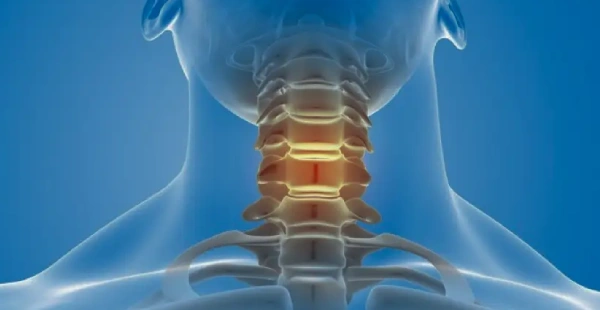
Cervical Disc Replacement Surgery
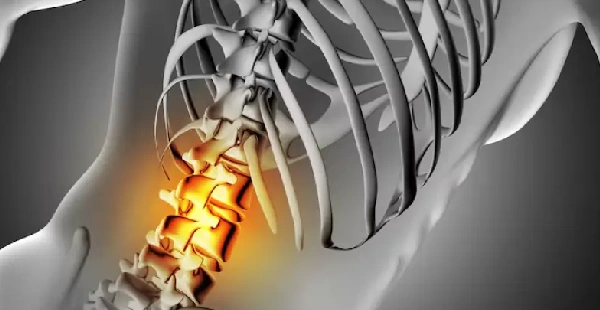
Cervical Fusion Surgery
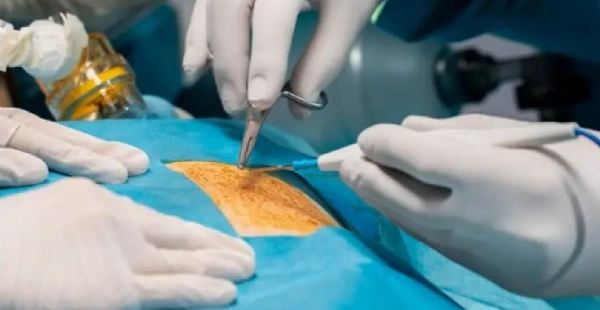
Keyhole Spine Surgery
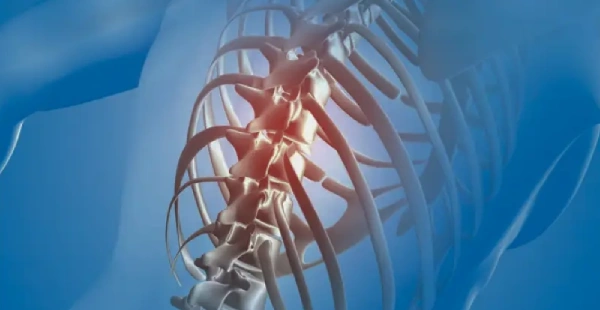
Kyphoplasty Surgery
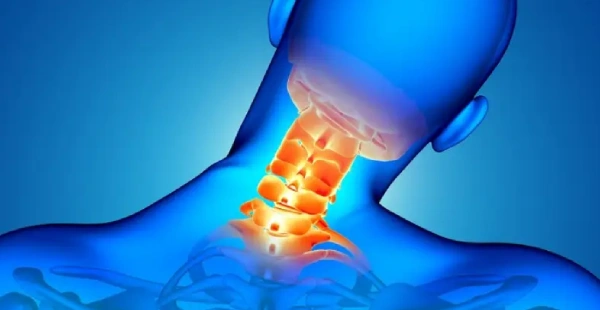
Lumbar Fusion Surgery
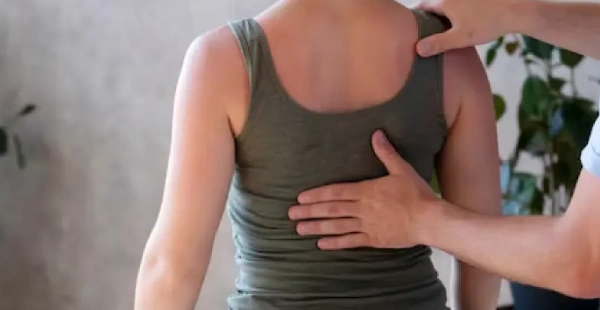
Spinal Decompression Surgery
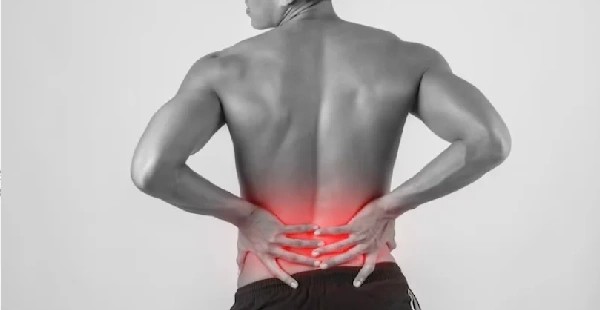
Spinal Disc Surgery
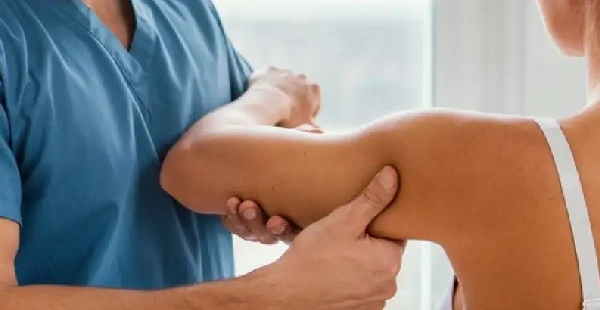
Frozen Shoulder Manipulation
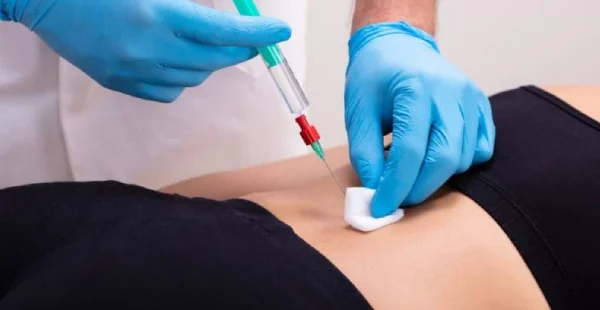
Radio Frequency Ablation
Shockwave Therapy
Sports Injuries
Spinal Stenosis
Slipped Disc