
Lumbar Fusion Surgery in London
Home / Services / Treatments / Lumbar Fusion Surgery
When chronic lower back pain or instability fails to respond to conservative treatments, lumbar fusion surgery in London may provide lasting relief by stabilising the spine.
Dr Purnajyoti Banerjee specialises in this surgical procedure to stabilise the lower spine for carefully selected patients whose quality of life is significantly impacted by spinal conditions.
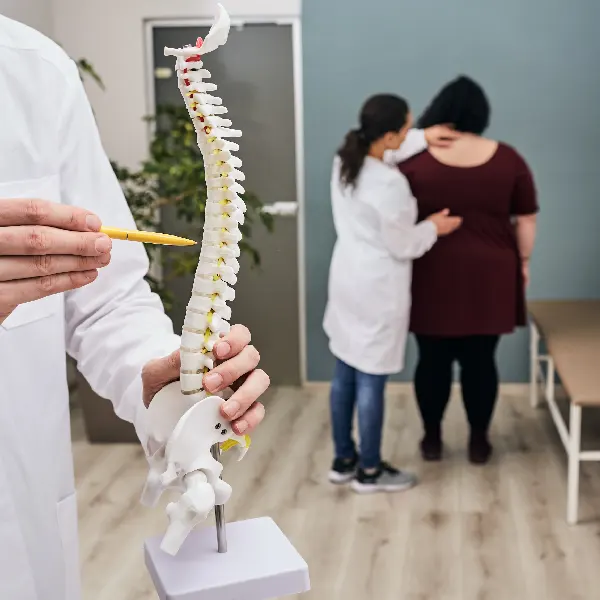
What Is Lumbar Spine Fusion?
Lumbar spine fusion involves the fusion of two or more lumbar vertebrae to create a solid bone bridge that eliminates painful motion between segments. The procedure typically includes removal of damaged disc or bone causing instability or nerve compression, followed by placement of bone graft material and hardware to hold vertebrae together whilst fusion occurs.
This surgery for lumbar instability aims to reduce pain by preventing abnormal spinal movement that may be causing nerve irritation, mechanical back pain, or progressive deformity.
When Is Lower Back Fusion Surgery Recommended?
Lower back fusion surgery is considered only after non-surgical treatments have failed to provide adequate relief. Careful patient selection is critical for good outcomes, and Dr Purnajyoti Banerjee conducts thorough assessments to determine if fusion is appropriate.
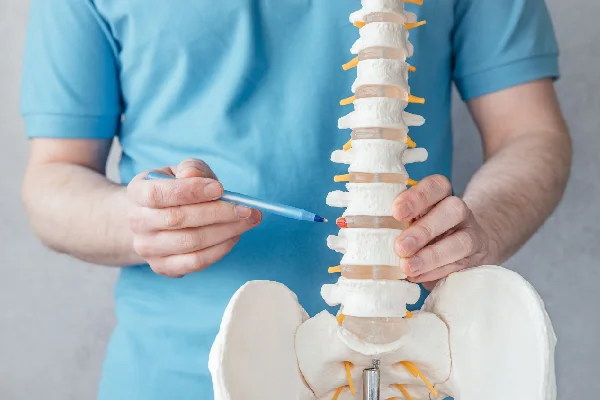
Common Conditions Treated
Lumbar Instability and Spondylolisthesis
Lumbar fusion surgery in London is used to treat spinal instability, spondylolisthesis, or severe degeneration where abnormal vertebral motion causes mechanical stress. Patients often develop chronic lower back pain with or without leg pain that limits daily activity.
Relieves movement-related pain
Restores spinal stability
Advanced Lumbar Degeneration
Severe degenerative changes weaken spinal support and increase painful motion between vertebrae. Fusion reinforces the affected level to control symptoms and improve function.
Reduces chronic lower back pain with or without leg pain
Improves long-term mobility
Surgical Approaches
| Approach | Access Point | Best For | Recovery |
|---|---|---|---|
| PLIF | Posterior (back) | Most common cases | 8-12 weeks |
| TLIF | Posterior (side) | Single-level fusion | 8-12 weeks |
| ALIF | Anterior (abdomen) | Large disc restoration | 6-10 weeks |
Recovery Process
Post-Operative Rehabilitation
Post-operative rehabilitation is essential for recovery. The fusion process takes 3-6 months to solidify, though most functional recovery occurs within 12 weeks.
Recovery Timeline
- Weeks 1-2: Rest at home; gentle walking only; avoid bending, twisting, or lifting
- Weeks 2-6: Gradually increase walking distance; begin core strengthening exercises
- Weeks 6-12: Return to light work and driving; physiotherapy intensifies; normal daily activities resumed
- Months 3-6: Bone fusion solidifies on X-rays; physical work gradually resumes
- Months 6-12: Complete fusion confirmed; return to full activities, including manual work and sports
Benefits of Lumbar Fusion Surgery
Is Lumbar Fusion Surgery in London Right for You?
Lumbar fusion surgery in London is a complex procedure that requires careful consideration. Not every patient with back pain requires fusion. However, when instability or severe degeneration causes debilitating symptoms despite comprehensive non-surgical care, lumbar fusion surgery in London, courtesy of Dr Purnajyoti Banerjee, may offer the best path to improved function and quality of life.
Frequently Asked Questions
How long does lumbar fusion surgery typically take to perform?
The procedure usually takes 2-4 hours, depending on the number of vertebral levels fused and the surgical approach selected.
Will patients experience complete pain relief after lower back fusion surgery?
Most patients report significant improvement; however, some residual discomfort may persist, particularly in complex or multi-level cases.
When can patients return to work following lumbar spine fusion?
Desk work typically resumes within 6-8 weeks; physical labour typically requires 3-6 months before a safe return to full duties.
Does fusion increase stress on adjacent spinal segments over time?
Adjacent segment degeneration can occur in some patients years after surgery; regular monitoring and maintenance of core strength help minimise the risk.
Are there alternatives to fusion for the treatment of lumbar instability?
Depending on the condition, disc replacement or decompression alone may be suitable; thorough assessment determines the most appropriate treatment approach.
Other Treatments
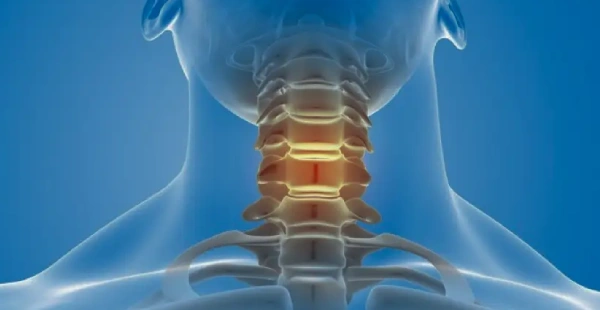
Cervical Disc Replacement Surgery
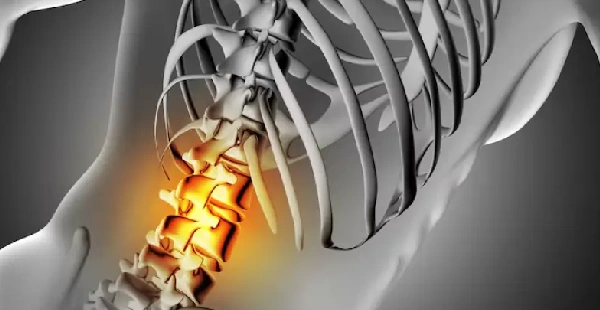
Cervical Fusion Surgery
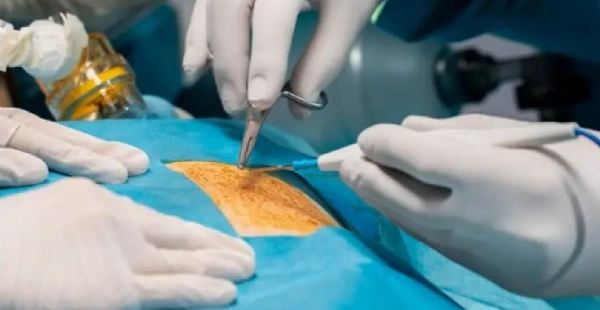
Keyhole Spine Surgery
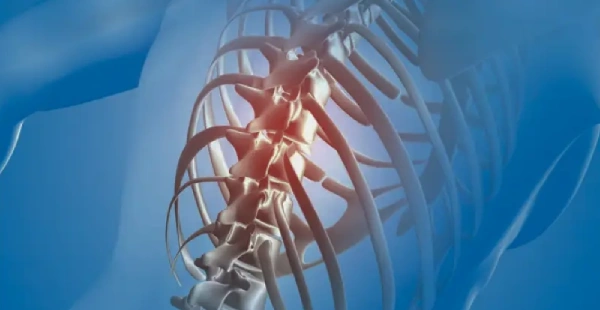
Kyphoplasty Surgery
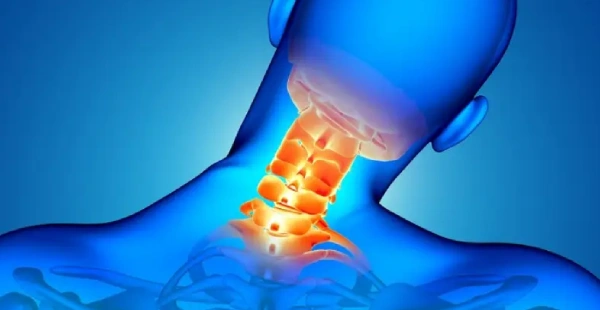
Lumbar Fusion Surgery

Spinal Decompression Surgery

Spinal Disc Surgery

Frozen Shoulder Manipulation

Orthopaedic Injuries
Radio Frequency Ablation
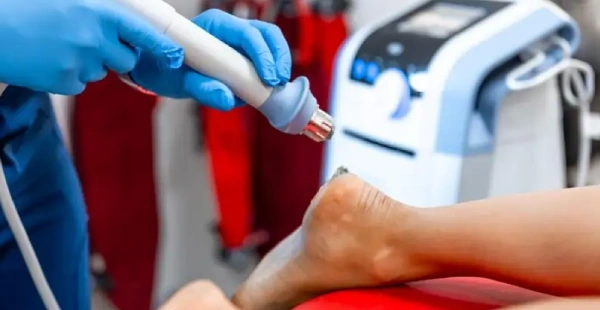
Shockwave Therapy
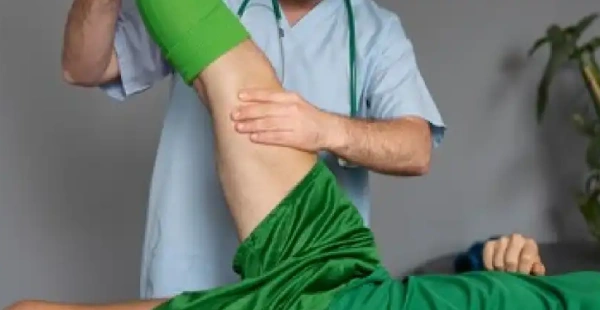
Sports Injuries
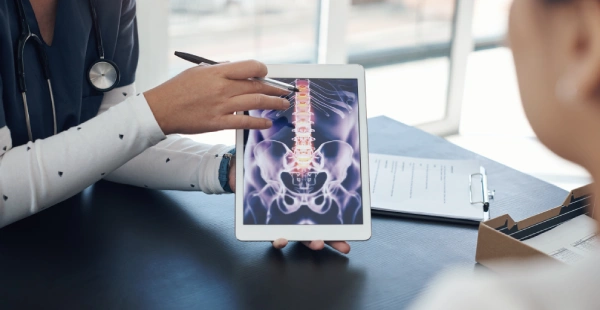
Spinal Stenosis

Slipped Disc
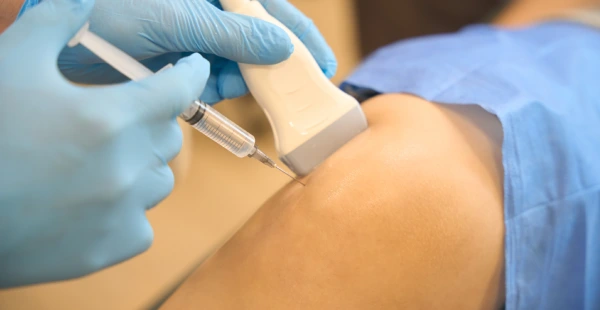
Ultrasound Guided Injection